Prices incl. VAT, free shipping worldwide
Ready to ship today,
Delivery time appr. 3-6 workdays

Product description
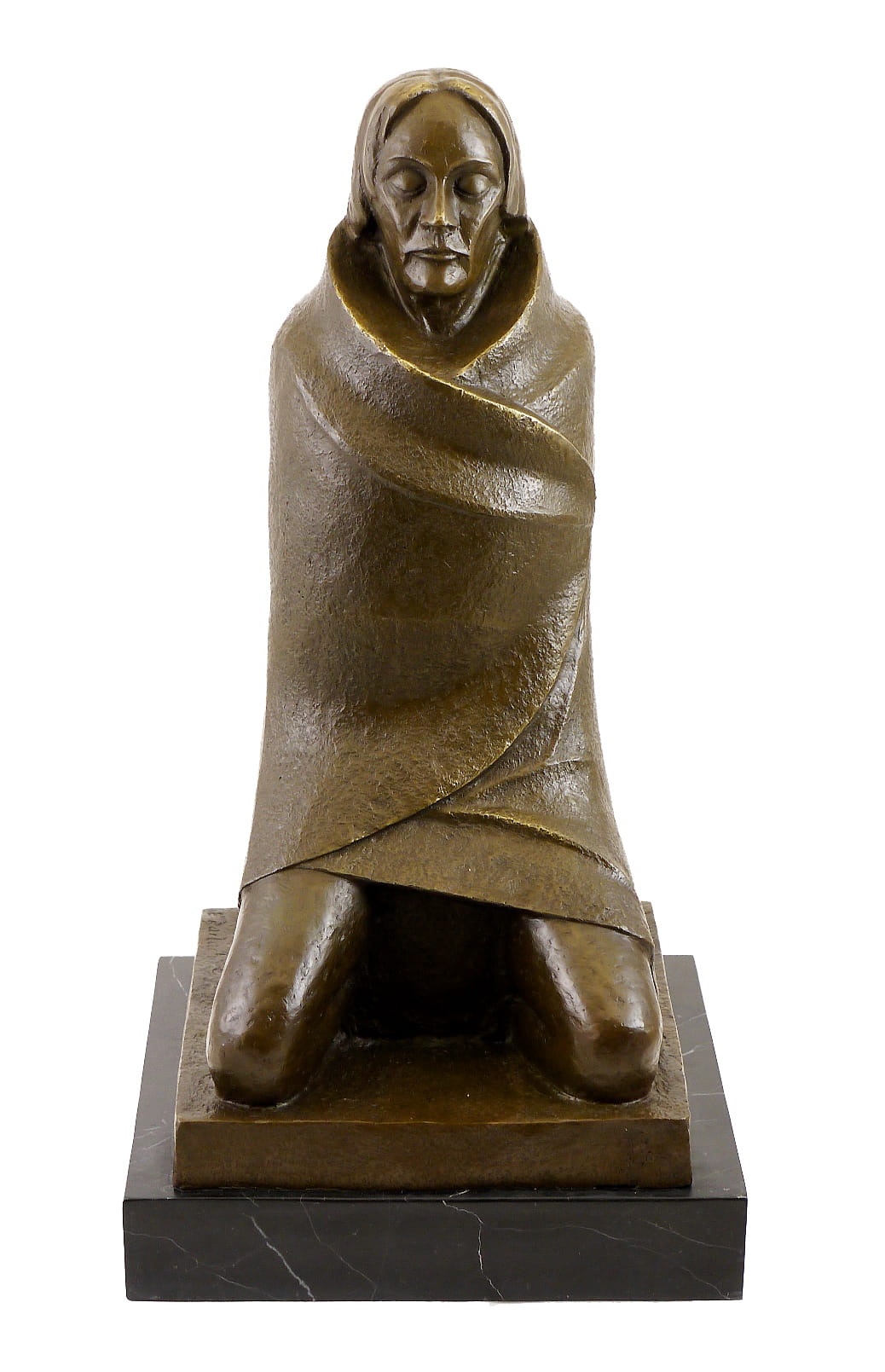
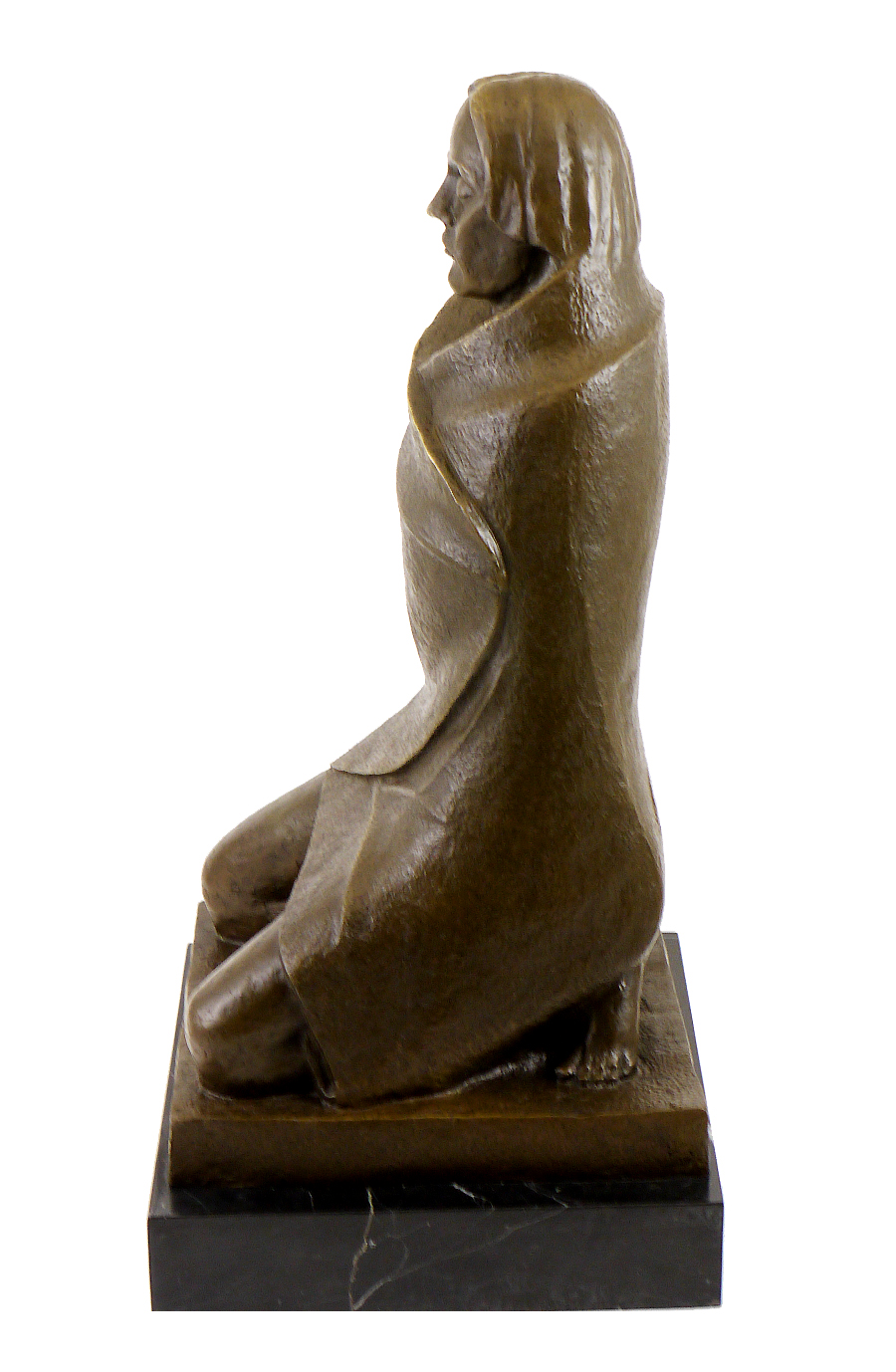
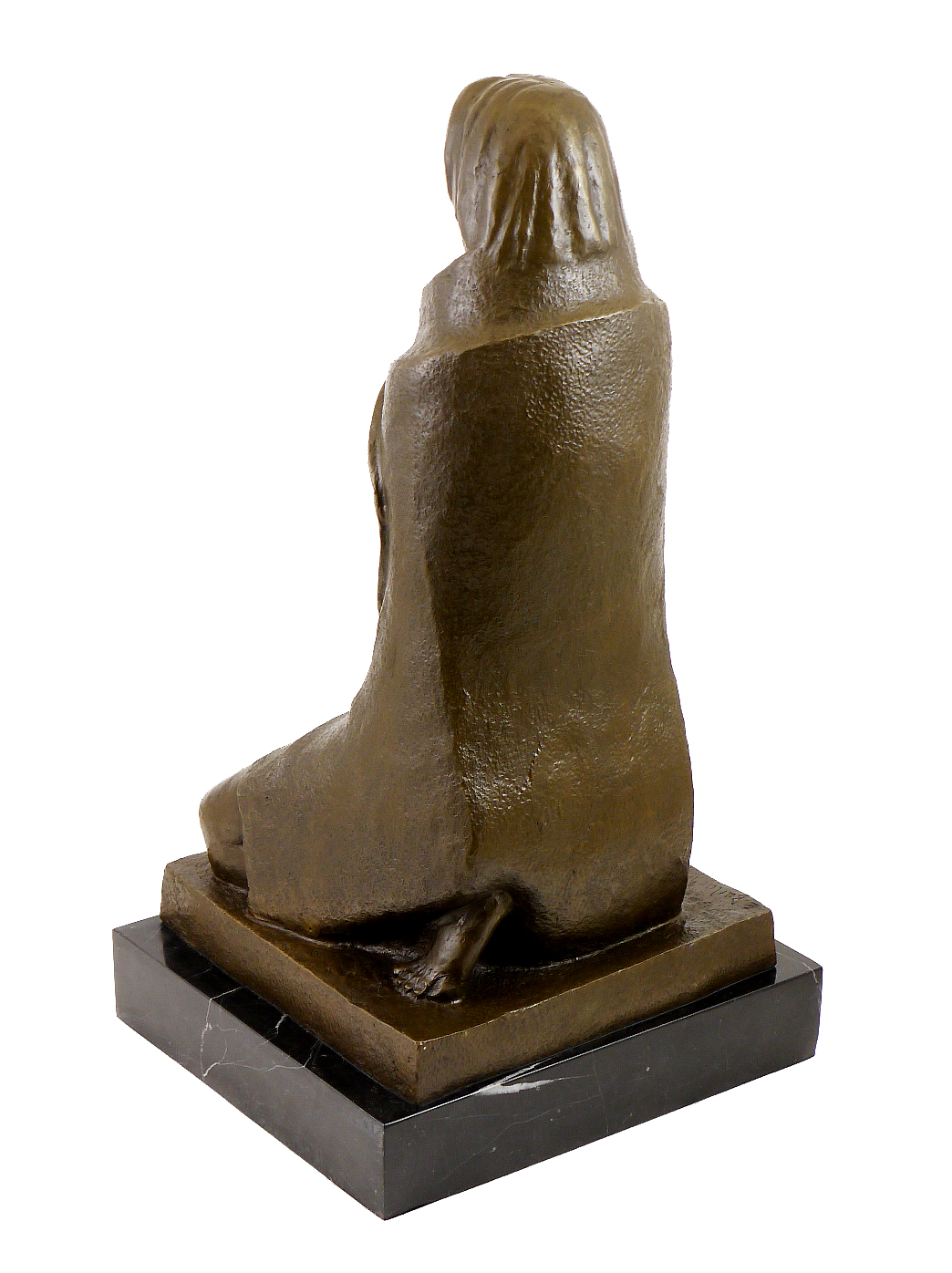
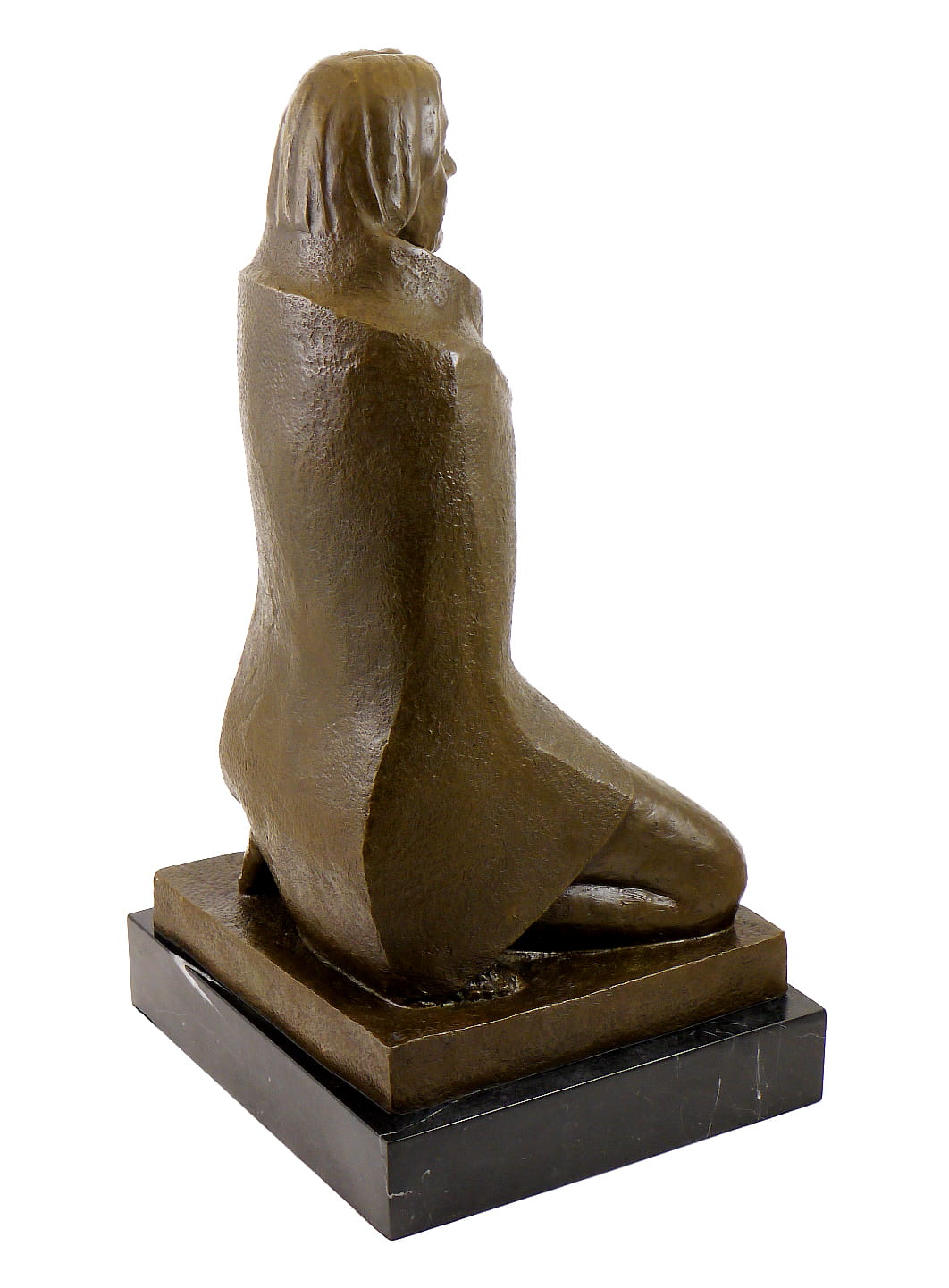
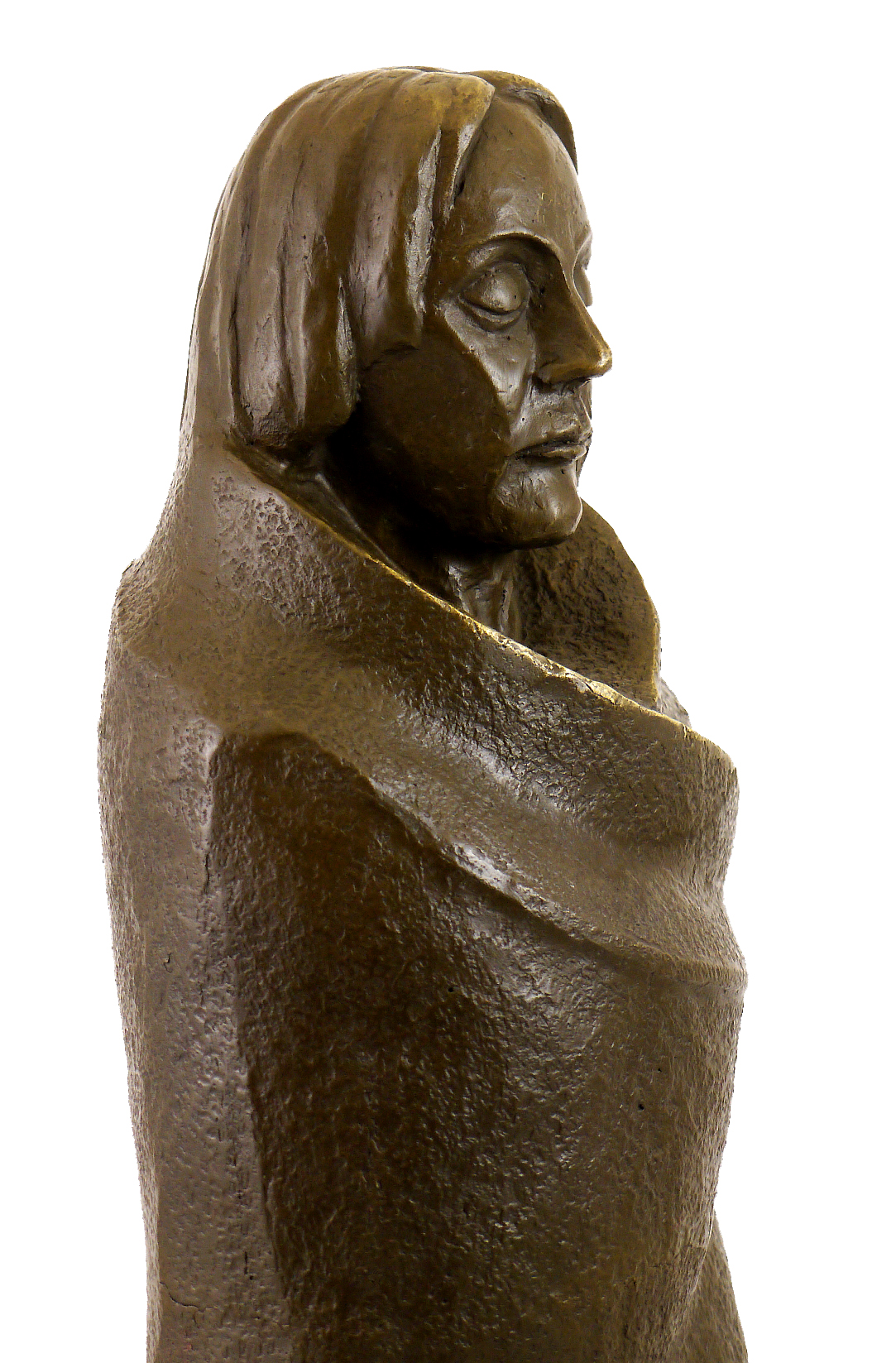
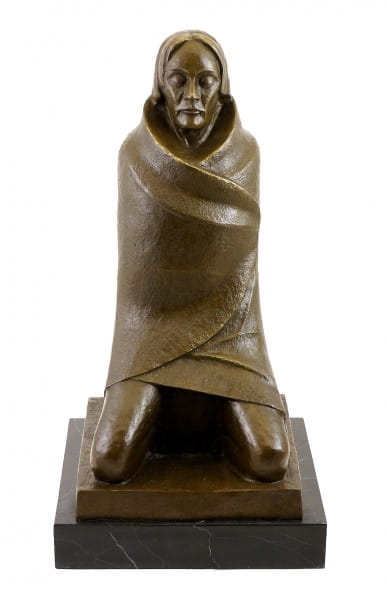
"Bronze Statue - Praying Man (1925) Ernst Barlach Art"
| Height | 48 cm |
| Width | 23 cm |
| Length | 26 cm |
| Weight | 13,7 kg |
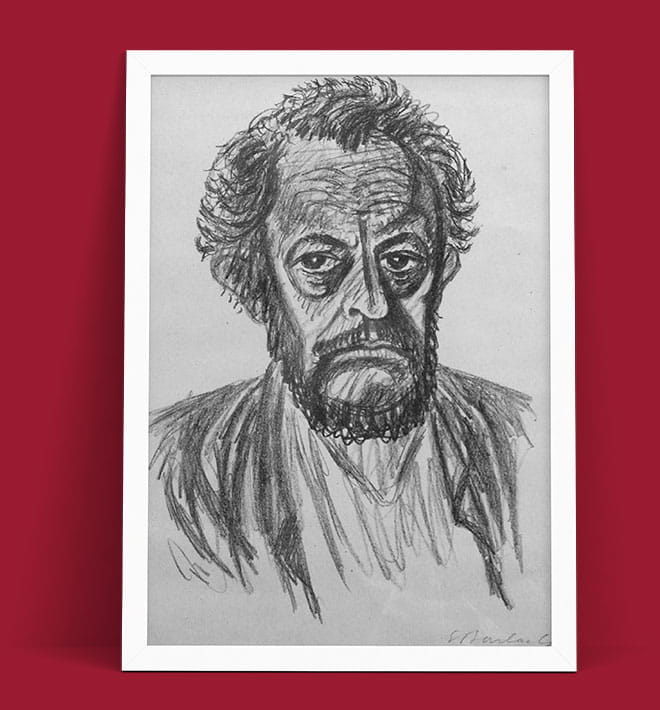
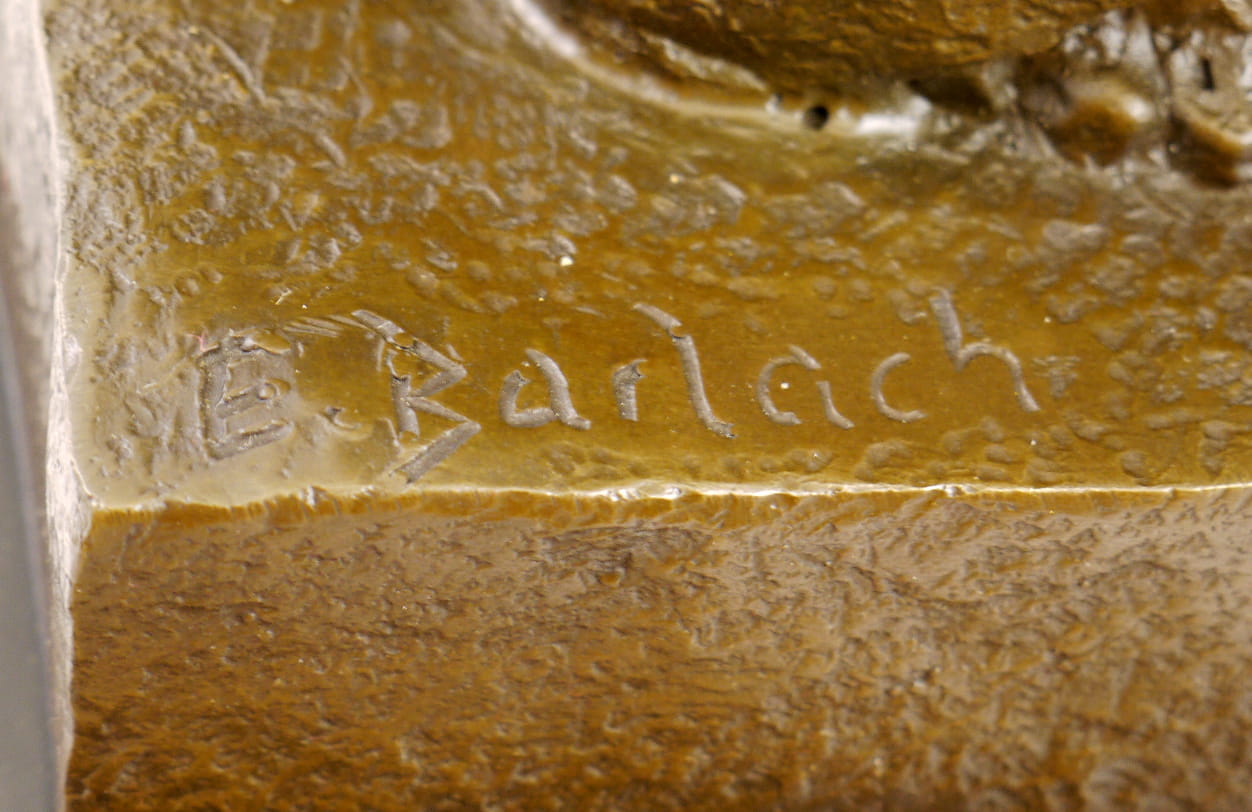
The Ascetic / Praying Man – A Limited Bronze Figure - Signed Ernst Barlach
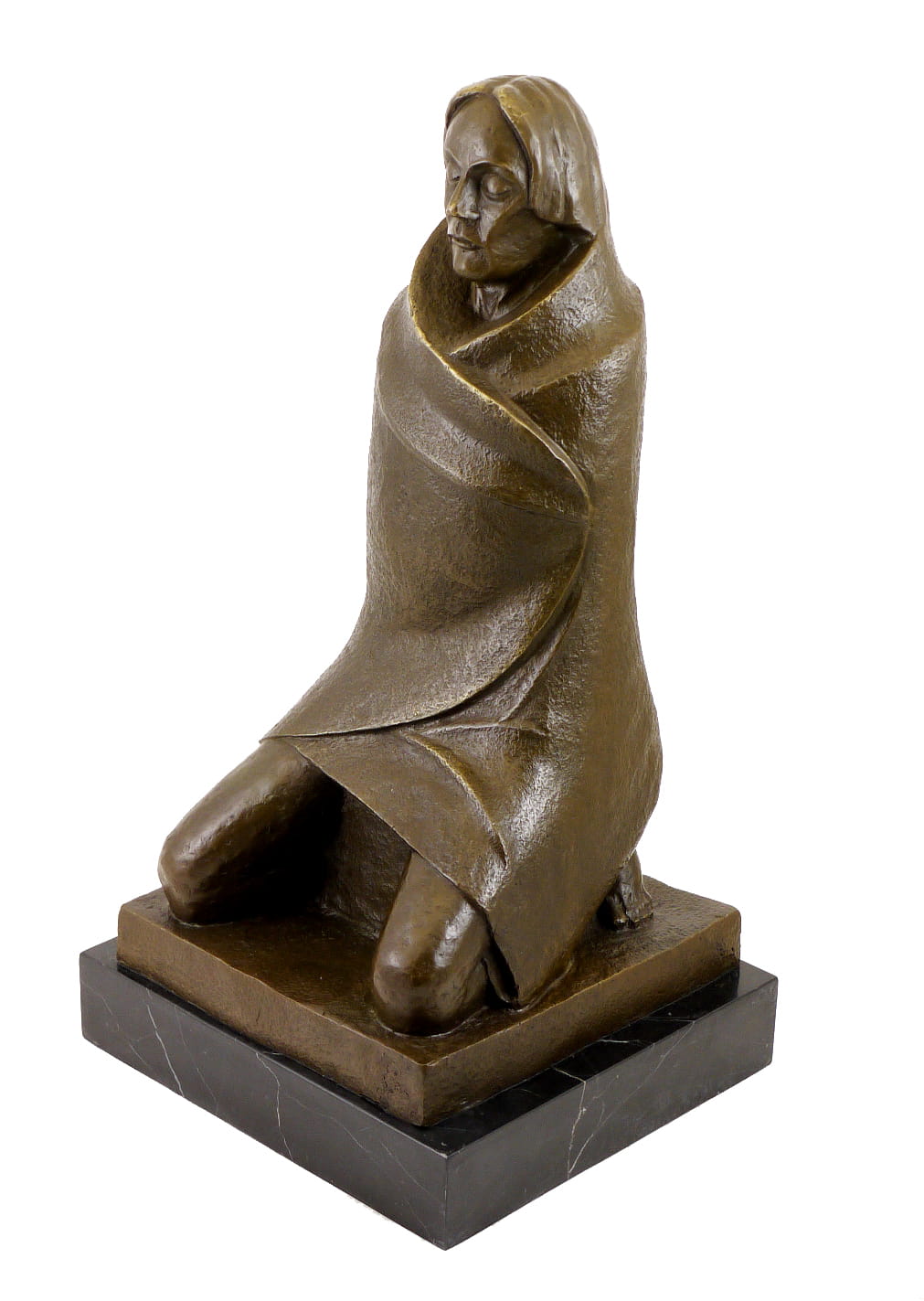
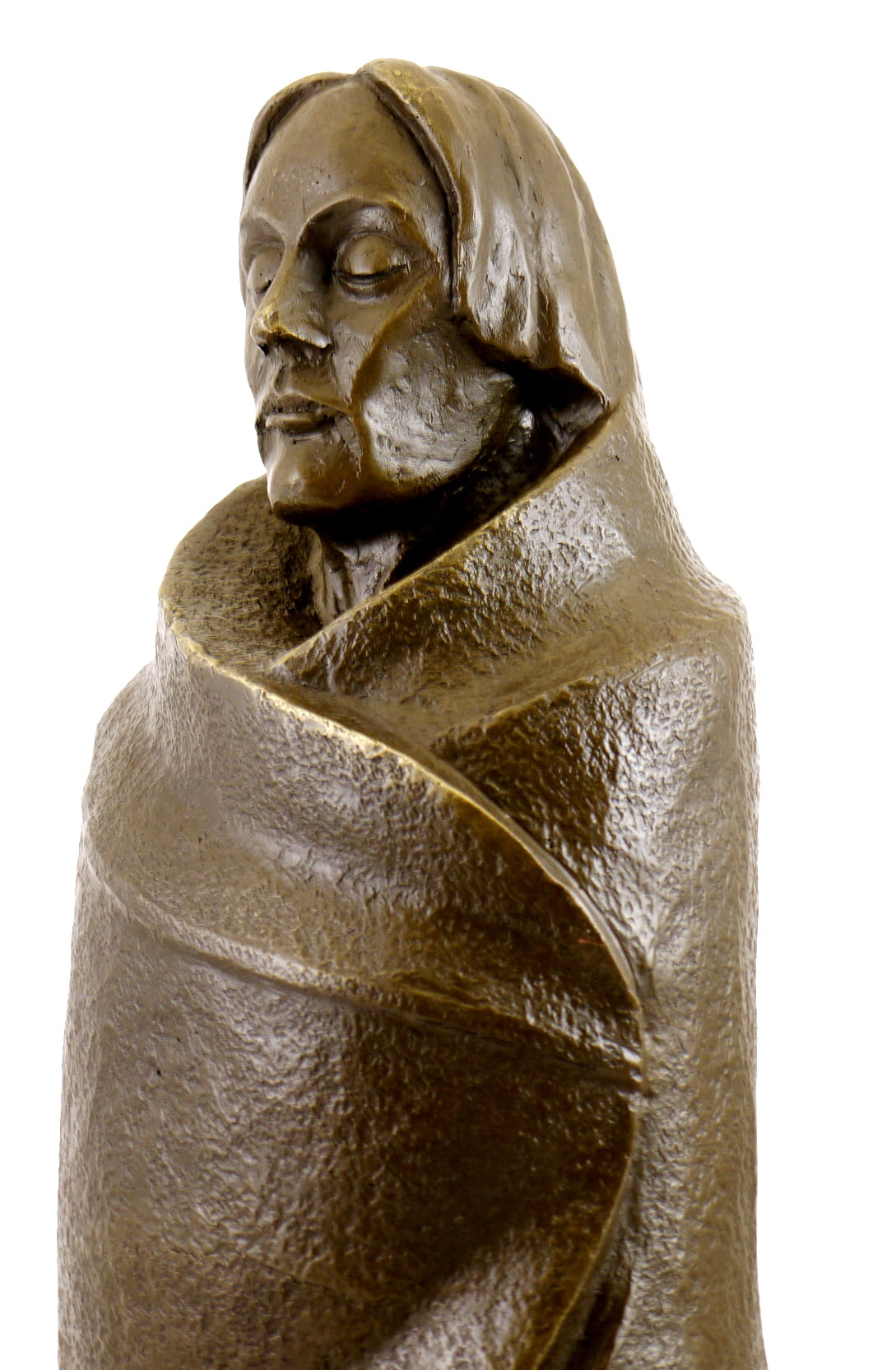
This bronze figure, titled The Ascetic / Praying Man (1925), stands as one of the most compelling manifestations of Ernst Barlach’s lifelong search for inward truth. The sculpture captures a kneeling figure wrapped in thick, spiraling drapery, the head gently tilted downward with closed eyes that radiate a quiet, almost transcendent introspection. Every surface reveals the sculptor’s conviction that emotional gravity can be carved directly into form, giving the figure a presence that feels both grounded and weightless. The tightly bound cloak emphasizes withdrawal from the external world, an image that reflects essential motifs across Ernst Barlach Art. Displayed in a private library, a meditation room or a minimalist interior, the piece creates a focal point of calm intensity. Its limited edition of only twenty pieces reaffirms the rarity and intimate aura that define this exceptional bronze.
A study of form, restraint and inner tension
This sculpture demonstrates how Ernst Barlach Artwork unites expressive reduction with immense psychological depth. The strong vertical axis of the kneeling body, combined with the thick, almost architectural folds of the garment, creates a rhythm that moves the eye slowly downward toward the grounded knees. The hands remain hidden beneath the heavy fabric, a gesture that echoes prayer, withdrawal and the acknowledgement of human vulnerability. Barlach highlights the face with minimal yet decisive modeling, allowing silence itself to become sculptural substance. The bronze surface shifts between matte and lightly polished areas, giving the figure a tactile warmth that changes with the surrounding light. Placed on a stone pedestal or a dark wooden shelf, the sculpture becomes a still point that enriches any contemplative environment.
A sculptural language shaped by German Expressionism
Although strongly personal, the work reflects Barlach’s position within early twentieth-century Expressionism, in which emotional states took precedence over naturalistic representation. The ascetic’s tightly encased form mirrors the philosophical tensions of the period—introspection, disillusionment and the search for authenticity. The compressed body and bowed head communicate both surrender and resilience, qualities that distinguish Ernst Barlach Art from the more radical abstraction pursued by some of his contemporaries. Yet the work remains unmistakably modern, reducing gesture and anatomy to essential, forceful lines. The sculpture can be found today in several museum collections dedicated to Ernst Barlach Artwork, including the Ernst Barlach House in Hamburg and the Barlach Foundation in Güstrow, where comparable bronzes are preserved. Collectors who acquire this edition bring into their home a profound emblem of expressionist spirituality.
Materials, casting and timeless presence
The bronze is cast with meticulous precision, retaining the irregular textures that Barlach modeled directly into clay a century ago. The weight of the metal contrasts gracefully with the apparent lightness of the figure’s spiritual posture, creating an interplay that defines the emotional resonance of Ernst Barlach’s sculptural idiom. The subtle patina—warm, earthy and layered—evokes both age and permanence, allowing the surface to remain visually dynamic for generations. Its compact, vertical format ensures that it fits harmoniously on desks, altars or sideboards, bringing a meditative stillness into domestic or professional interiors. The figure’s withdrawn expression encourages viewers to pause, to reflect, and to align themselves with the slow rhythm embodied by the kneeling posture. In this way, each edition continues the legacy of Ernst Barlach Artwork as a source of spiritual and emotional reflection.
Life and creative evolution of Ernst Barlach
Born on January 2, 1870, in Wedel, Ernst Barlach grew up in a family shaped by education, craftsmanship and early exposure to cultural life, experiences that deeply informed his creative sensibility. After initial studies in Hamburg, he continued his artistic formation at the Académie Julian in Paris, where he refined his modeling techniques and engaged with contemporary European sculpture. His travels to Russia in 1906 profoundly influenced the emotional directness that would become characteristic of Ernst Barlach Art, inspiring figures rooted in humanity rather than idealization. Throughout his life he endured political hostility, especially during the 1930s, when many of his works were confiscated, yet his conviction in expressive truth remained unbroken. His sculptures are preserved today in major museums in Hamburg, Berlin, Güstrow and other European collections. Barlach died in Rostock in 1938, leaving behind a body of work that shaped German modernism and continues to move viewers through its sincerity and gravitas.
Enduring meaning within contemporary spaces
Displaying this limited bronze figure introduces a quiet yet intense emotional energy into any space, transforming rooms through its presence rather than through ornament. The ascetic’s closed eyes and wrapped form invite moments of thoughtful withdrawal, creating a subtle dialogue between viewer and sculpture. Whether placed in a private study or a dedicated meditation corner, the bronze functions as a companion to inner stillness. Its expressive restraint and modest scale make it adaptable to both modern interiors and classical collections. In every setting, the work encourages reflection on solitude, strength and silence, offering a lasting encounter that deepens with time.
Our advantages
free shipping
Worldwide free shipping
14 days money back
You can cancel your order
within 14 days
secure payment services
Paypal, Master Card, Visa, American Express and more