Prices incl. VAT, free shipping worldwide
Ready to ship today,
Delivery time appr. 3-6 workdays

Product description
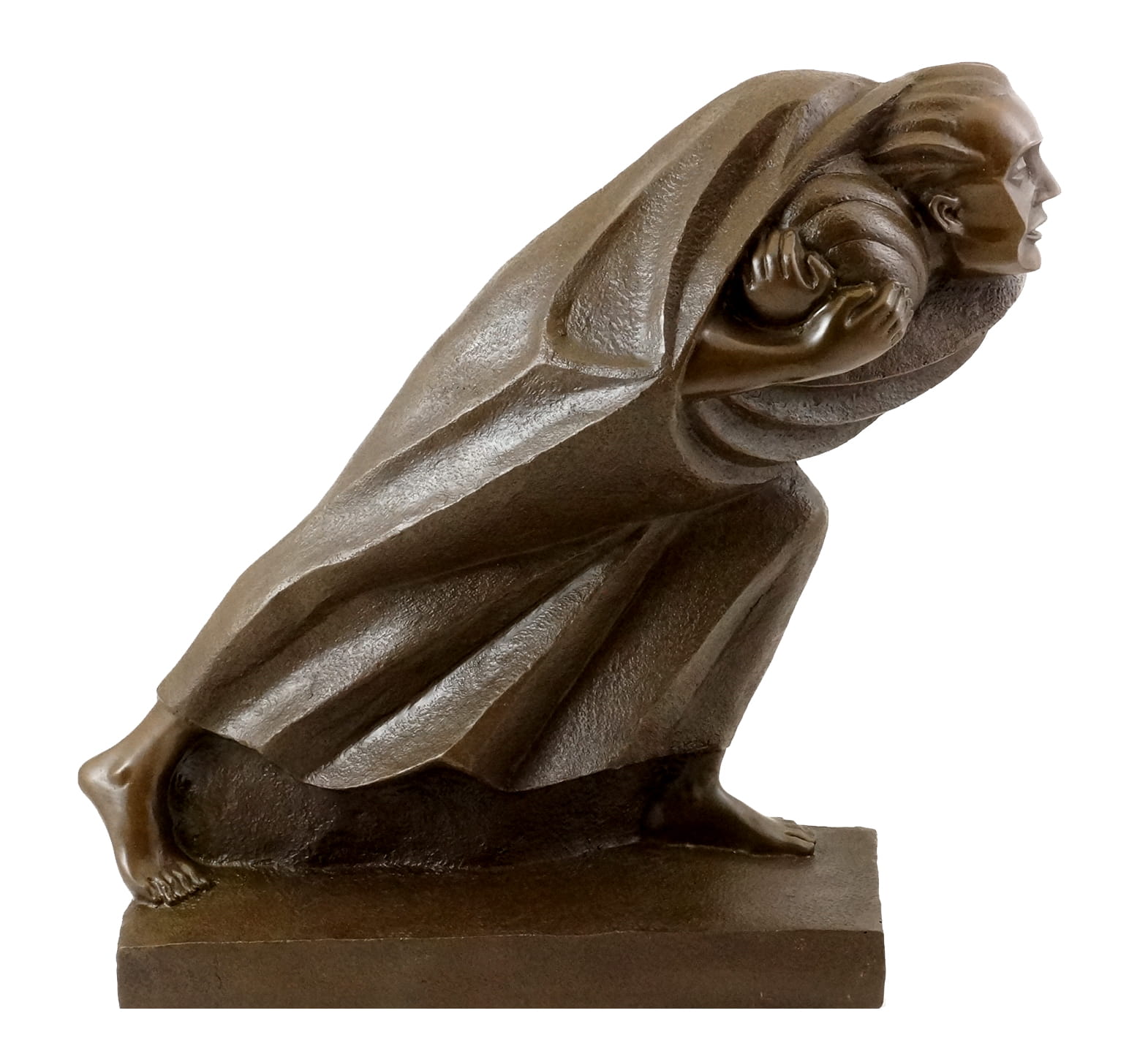
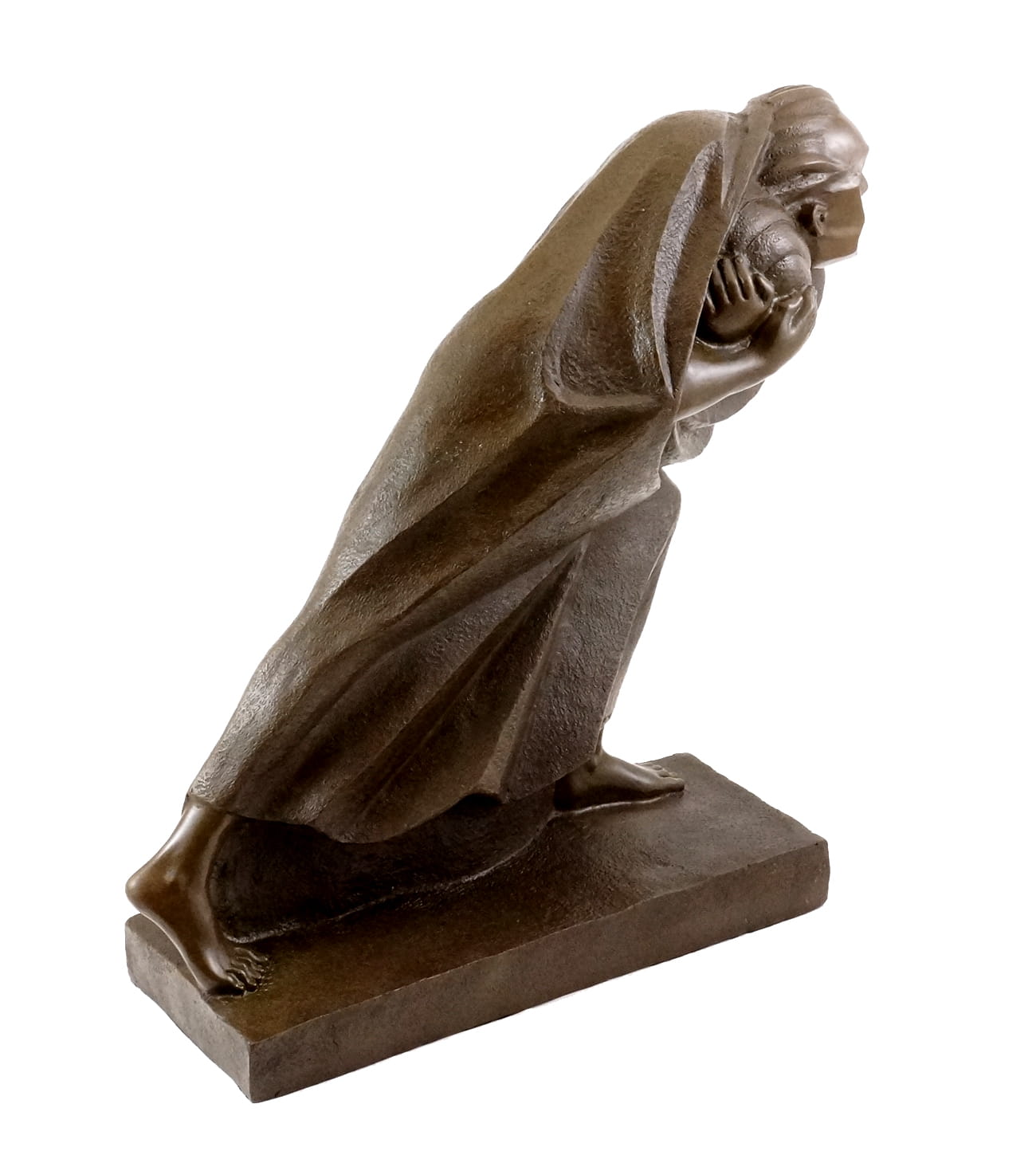
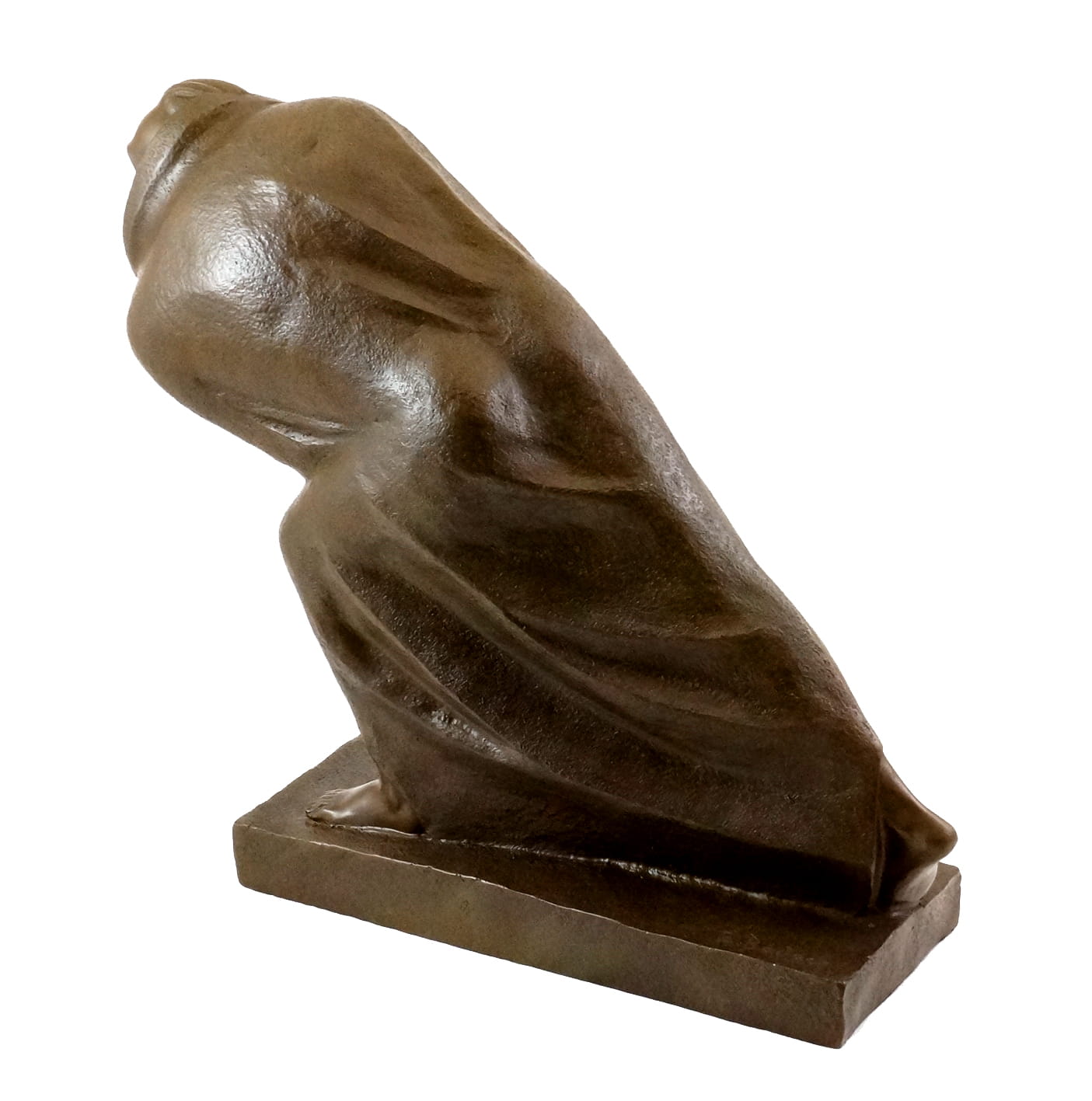
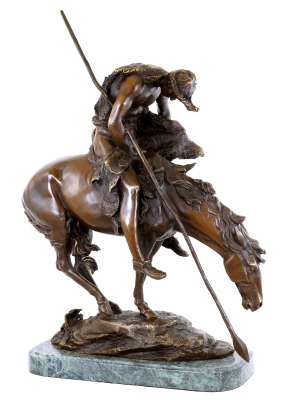
"Bronze Sculpture - The Refugee (1920) - Ernst Barlach Art"
| Height | 35 cm |
| Width | 38 cm |
| Length | 12 cm |
| Weight | 7,5 kg |
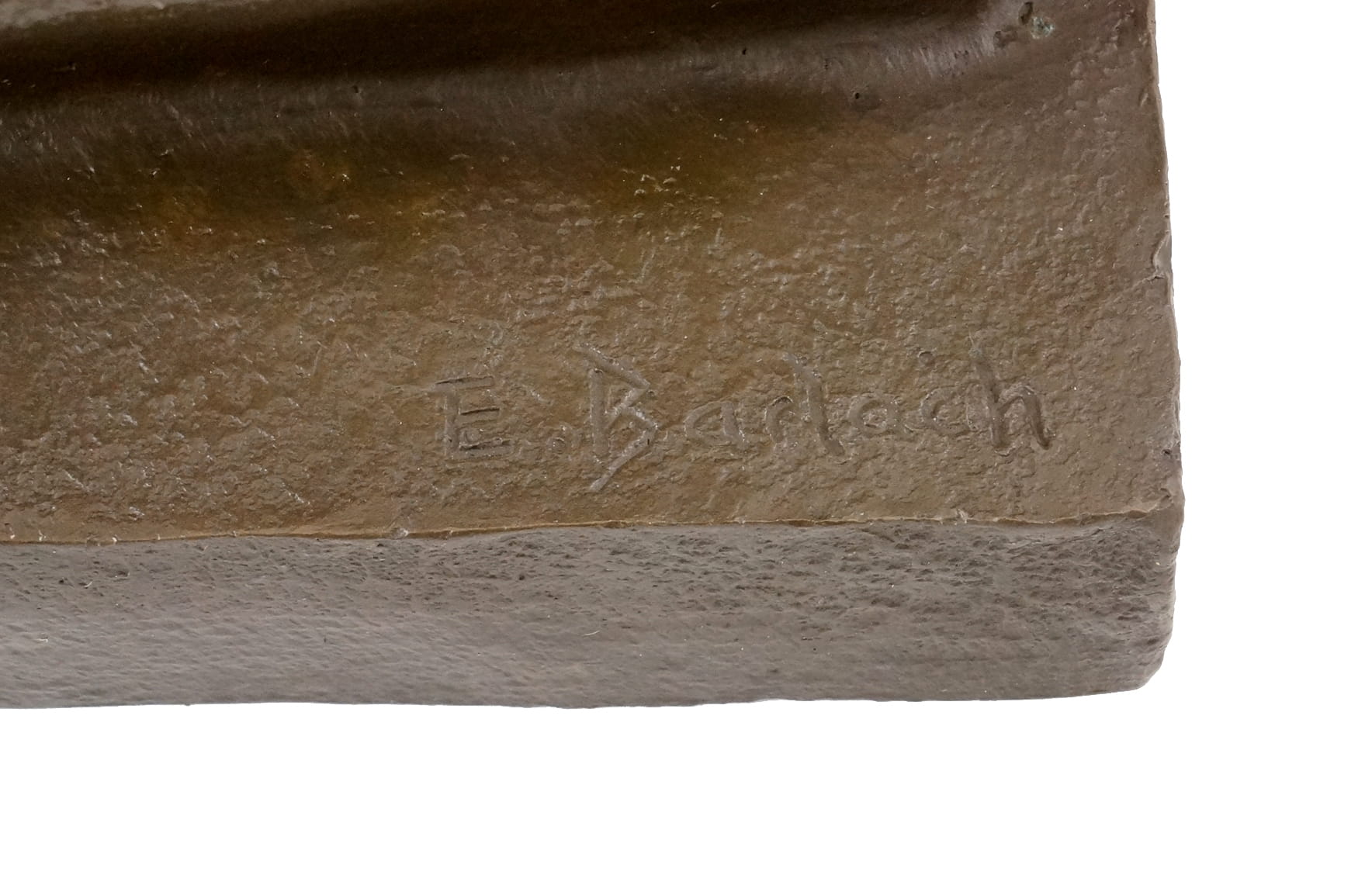
The Refugee – A Bronze Sculpture of Silent Determination - Signed Ernst Barlach
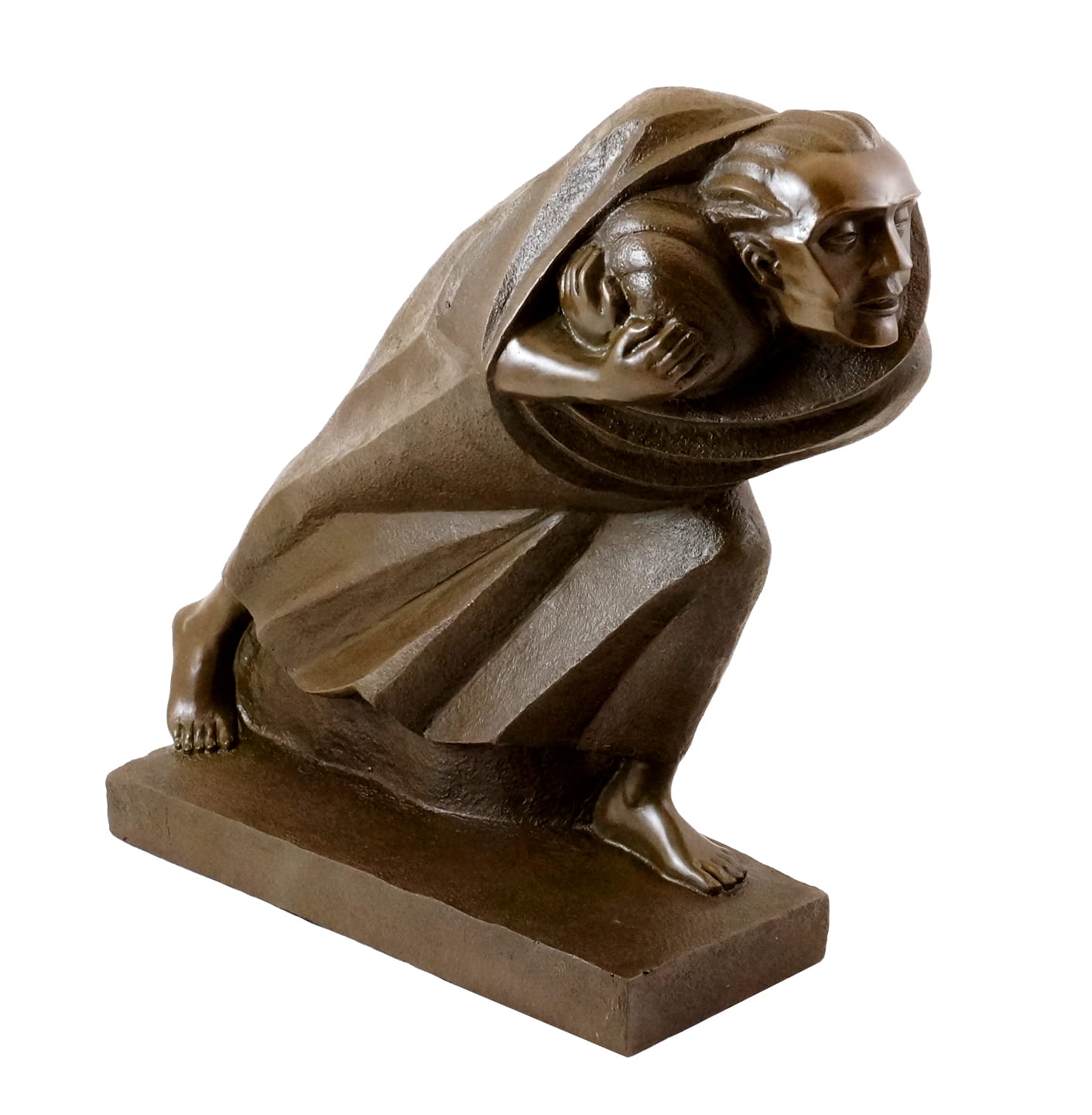
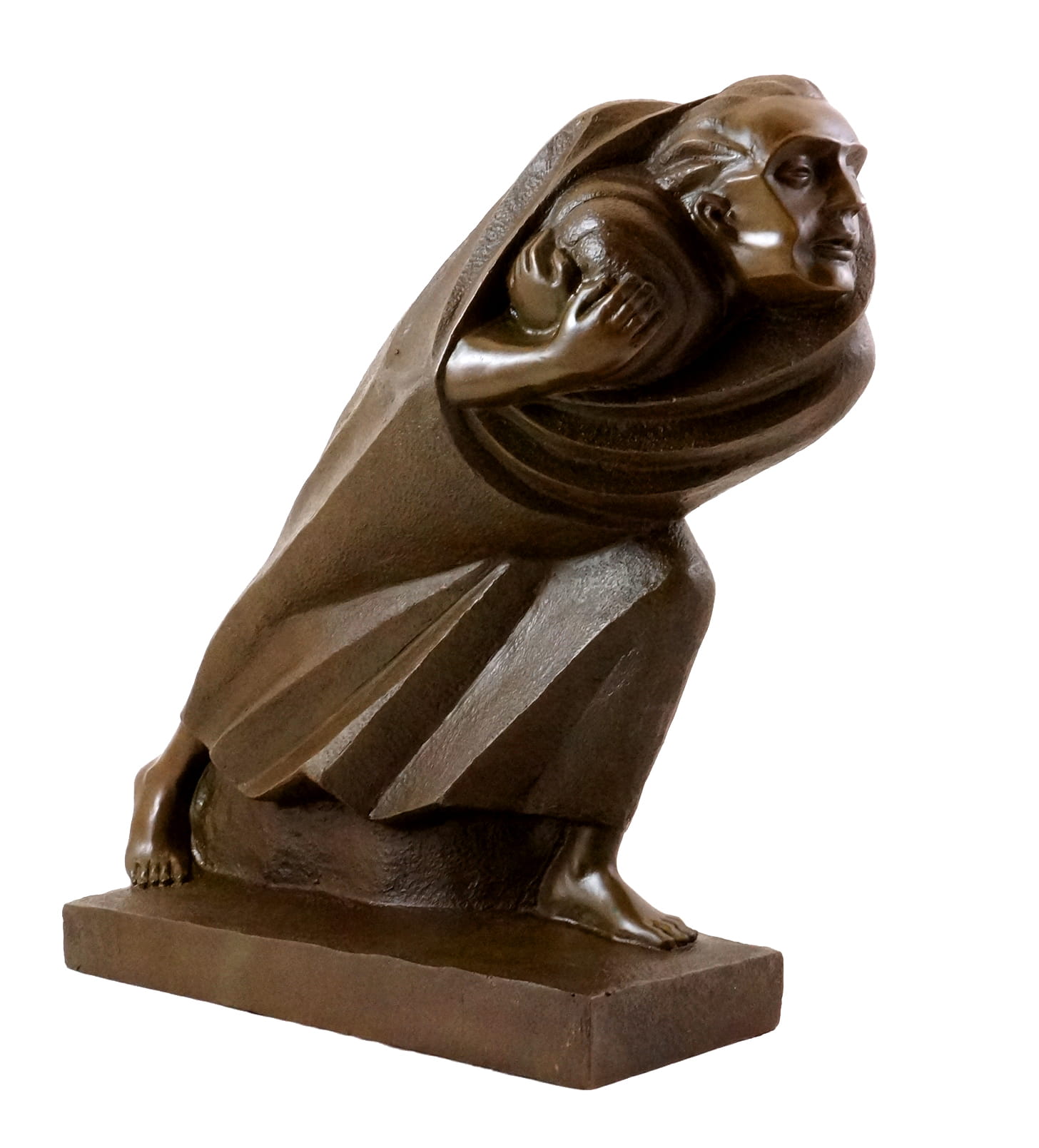
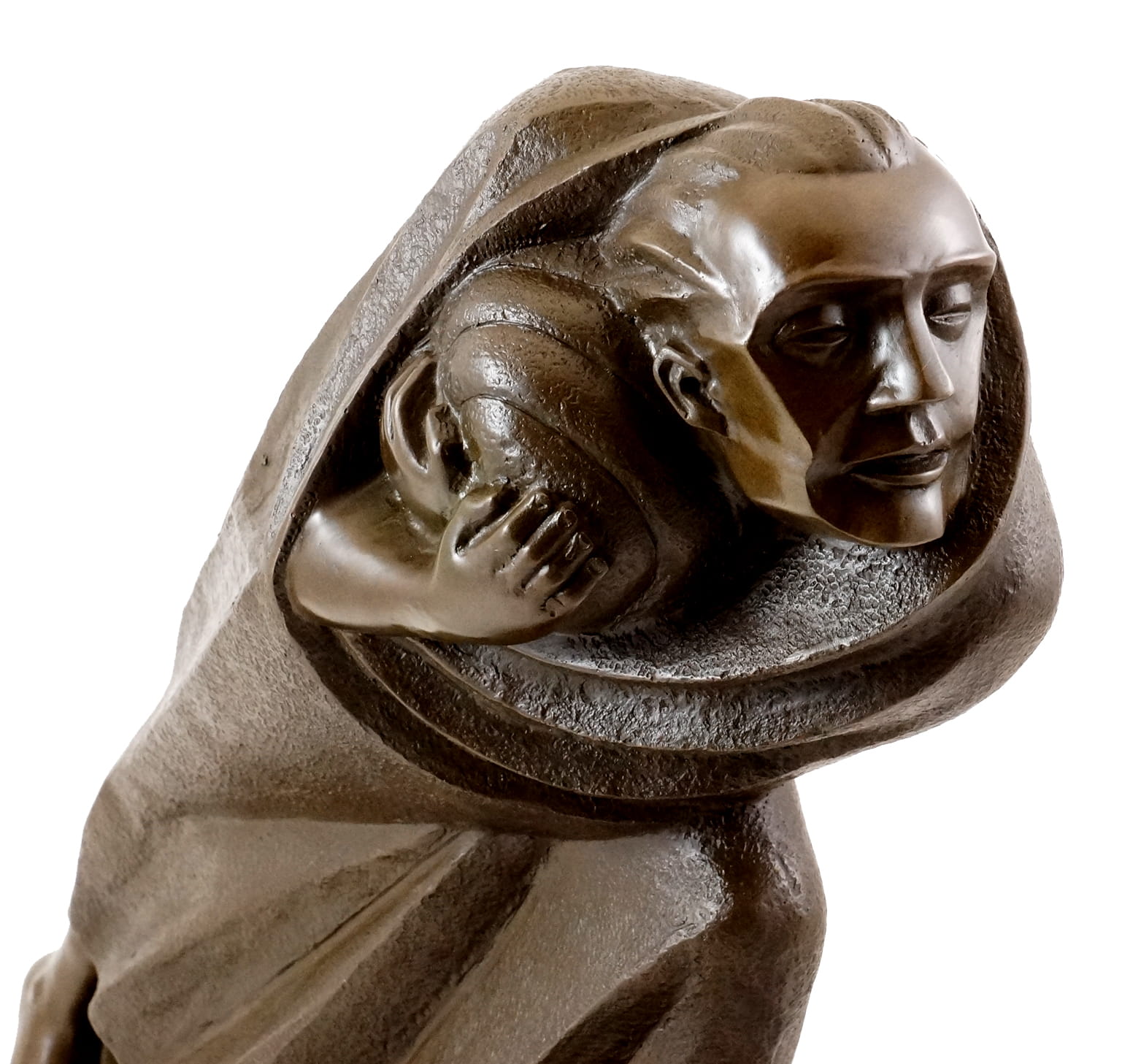
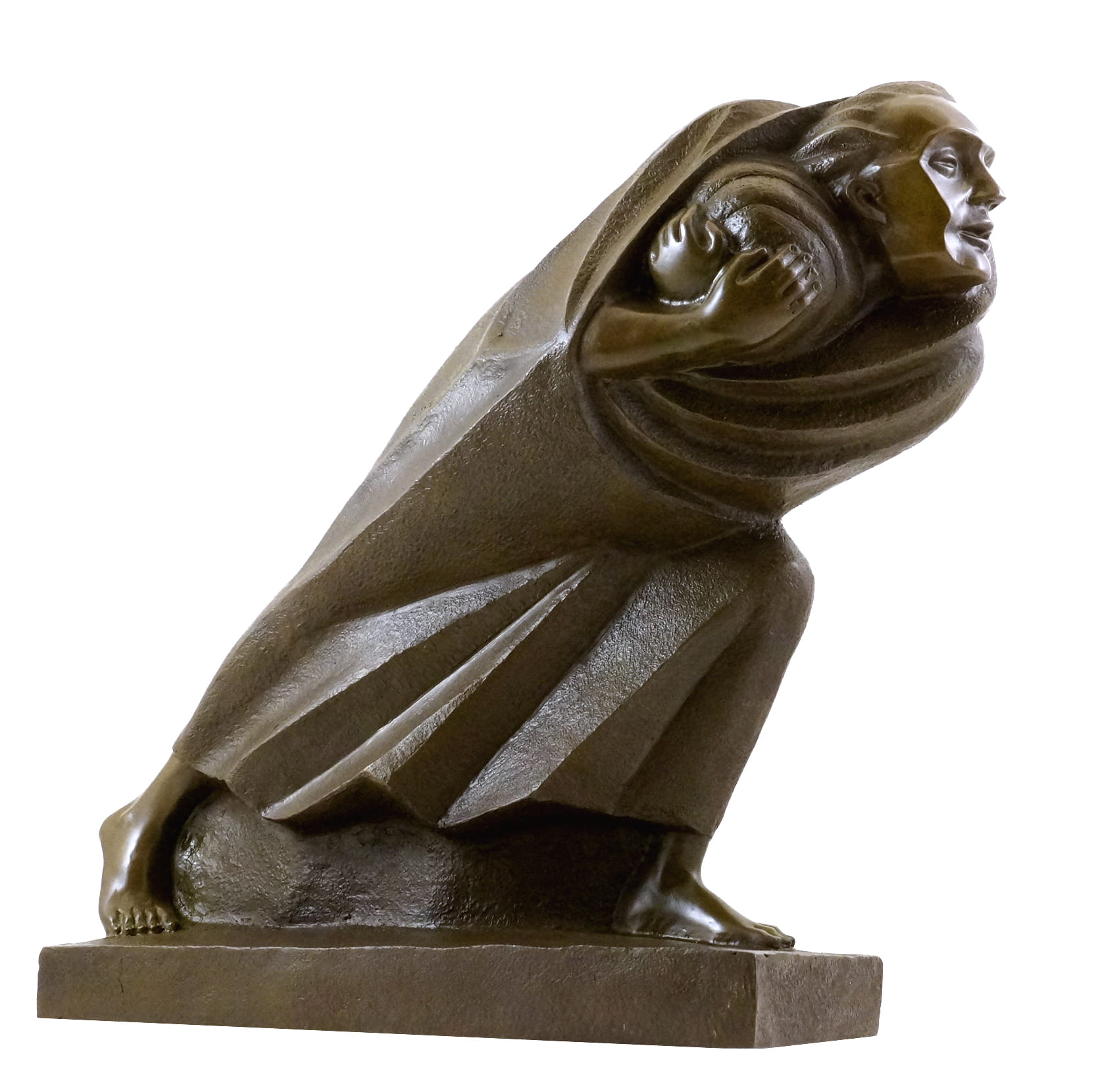
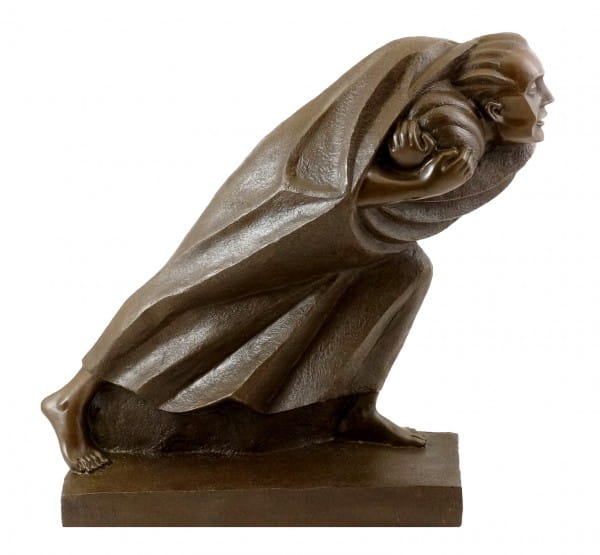
This limited bronze sculpture titled The Refugee (1920), signed by Ernst Barlach, captures a moment of tension, resolve and inward movement with an intensity that is rare even within the body of Ernst Barlach. The figure bends forward in a protective stance, pressing a bundled sack of personal belongings tightly against his shoulder, as though everything he owns rests within this fragile embrace. The angular cloak wraps around the body in a sweeping motion that suggests both wind and hardship, forming a sculptural rhythm that resonates deeply with the themes so characteristic of Ernst Barlach Art. Through these sharply defined folds, the work transforms the idea of flight into a universal metaphor for vulnerability and endurance. Even at first glance, one senses that this is not only a physical journey but also an emotional passage shaped by displacement and hope.
A form defined by movement and burden
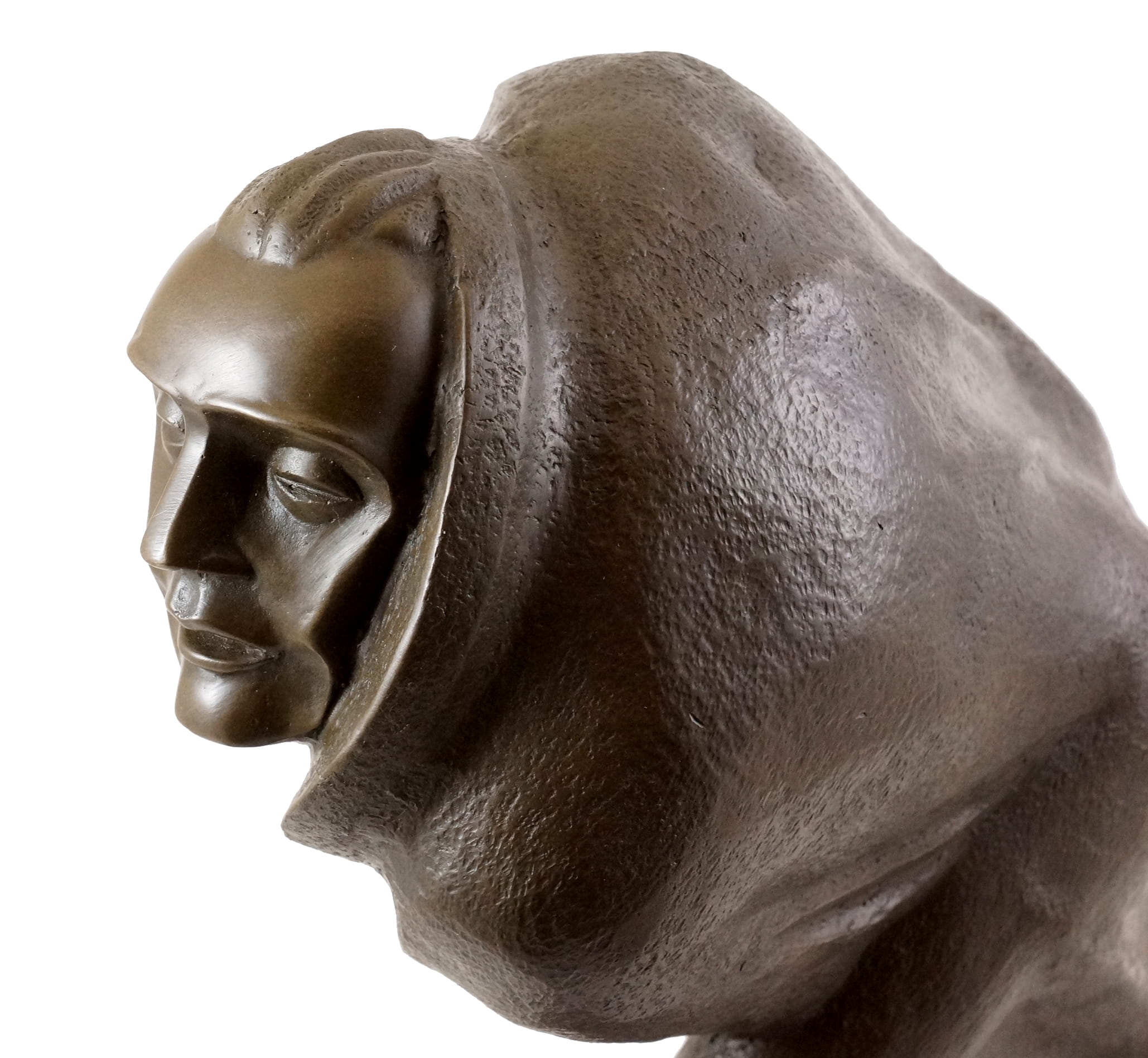
Barlach’s sculptural language in The Refugee relies on dramatic compression and powerful diagonals, making the figure appear as if he is simultaneously breaking forward and bracing himself against invisible forces. The way he clutches the sack reveals the urgency of preserving the last fragments of home, a detail that heightens the expressive directness typical of Ernst Barlach Artwork. His bare feet, firmly planted on the base, evoke a grounding in reality despite the sense of motion, while the slight twist of the body turns the sculpture into a dynamic interplay of tension and direction. The head, angled forward with determined focus, communicates an inner strength that contrasts with the fragile circumstances implied by his posture. This balance between resistance and vulnerability reflects Barlach’s mastery of emotional clarity through reduced, almost ascetic form.
A story of creation and context
The Refugee was conceived in 1920, a time when Europe was marked by displacement, uncertainty and the psychological aftermath of the First World War. In this atmosphere, Ernst Barlach created figures that captured not political narratives but human truths, and the sculpture became a symbolic reflection of thousands forced to rebuild their lives. His choice to emphasize simplicity over ornamental detail aligns closely with the spiritual and existential concerns that permeate Ernst Barlach Art, particularly those works exploring suffering, perseverance and introspection. The bronze medium reinforces the sense of permanence, turning a moment of fleeting movement into a lasting meditation on the human condition. Although created more than a century ago, the urgency of the refugee’s gesture continues to resonate with contemporary viewers.
A place for contemplation and presence
Because of its introspective and expressive qualities, this sculpture is well suited for quiet interior environments where its emotional weight can be fully appreciated. Displayed in a study, a library or a private collection, The Refugee becomes a focal point for reflection, inviting viewers to engage with the deeper messages embedded in Ernst Barlach Artwork. Its forward-driving posture gives it a sense of direction, allowing the work to animate even still spaces with a subtle impression of movement. The bronze surface, with its interplay of matte and polished areas, responds beautifully to ambient light, emphasizing the sculptural planes of the cloak and the delicately modelled face. In public institutions, the work is often shown alongside Barlach’s other existentially charged sculptures, offering insight into his evolving engagement with themes of spiritual resilience. Collectors cherish this piece not only for its rarity—limited to 20 casts—but also for its profound psychological depth.
A life devoted to expression
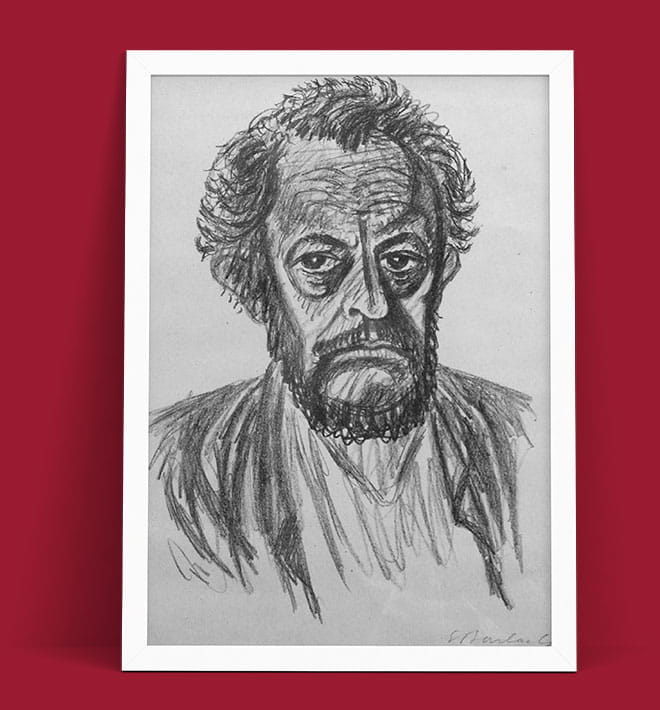
Born in Wedel in 1870, Ernst Barlach grew up in a family where craftsmanship and creativity were valued, particularly through his father, a country doctor with a humanistic worldview that deeply influenced the artist’s later pursuits. His early education led him to the Kunstgewerbeschule in Hamburg and eventually to the Académie Julian in Paris, where he absorbed new artistic impulses that helped shape the path of Ernst Barlach Art. Travels through Russia further refined his understanding of human hardship and communal identity, themes that would later permeate much of his sculptural work. Despite periods of both recognition and political persecution, his commitment to creating emotionally resonant works never faltered, establishing him as one of the most significant sculptors of his generation. Today, The Refugee and many other pieces can be admired in the Ernst Barlach House in Hamburg, the Güstrow Atelierhaus, and several major international collections, where they continue to speak to viewers across generations.
Our advantages
free shipping
Worldwide free shipping
14 days money back
You can cancel your order
within 14 days
secure payment services
Paypal, Master Card, Visa, American Express and more