Prices incl. VAT, free shipping worldwide
Ready to ship today,
Delivery time appr. 3-6 workdays

Product description
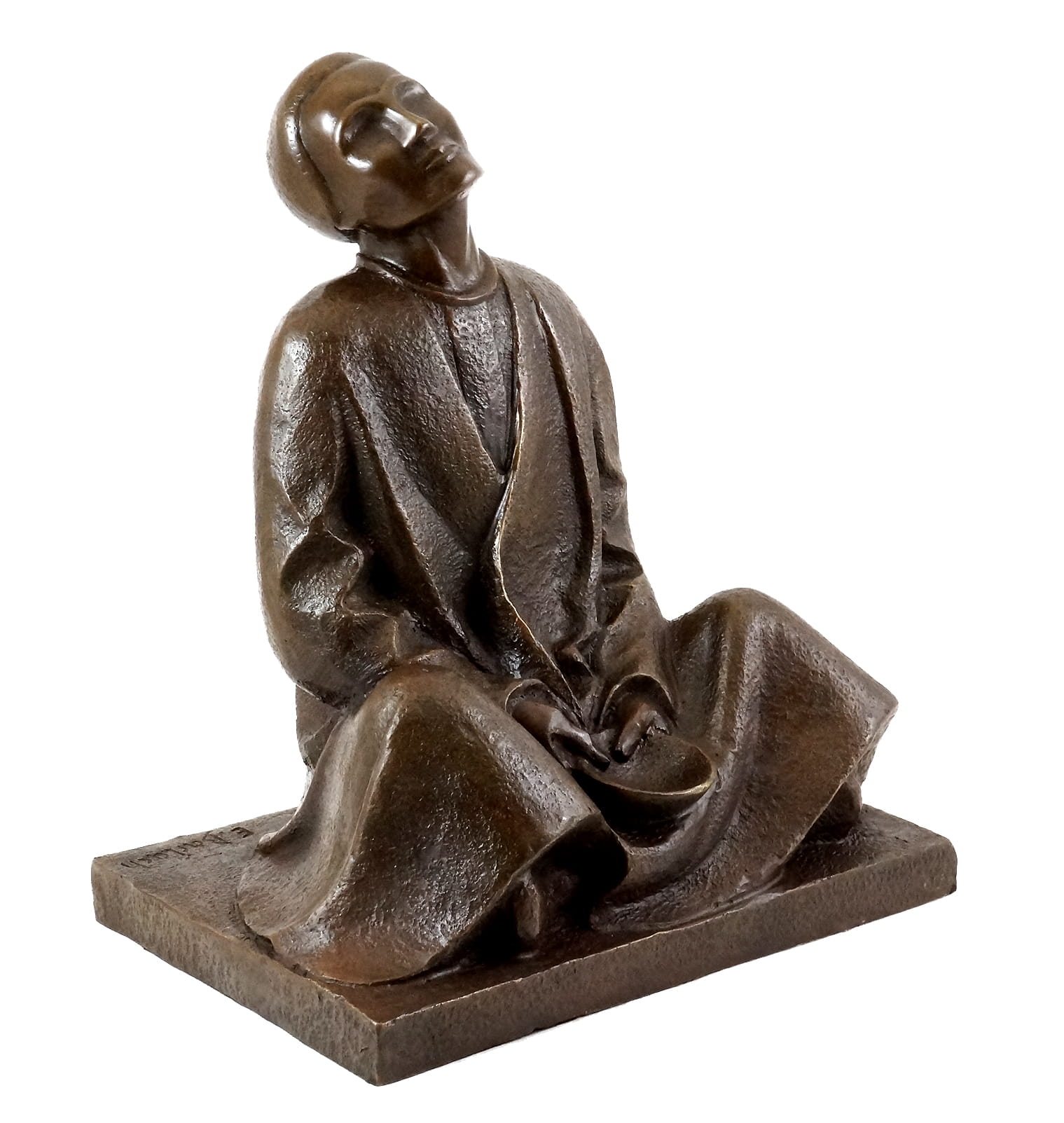
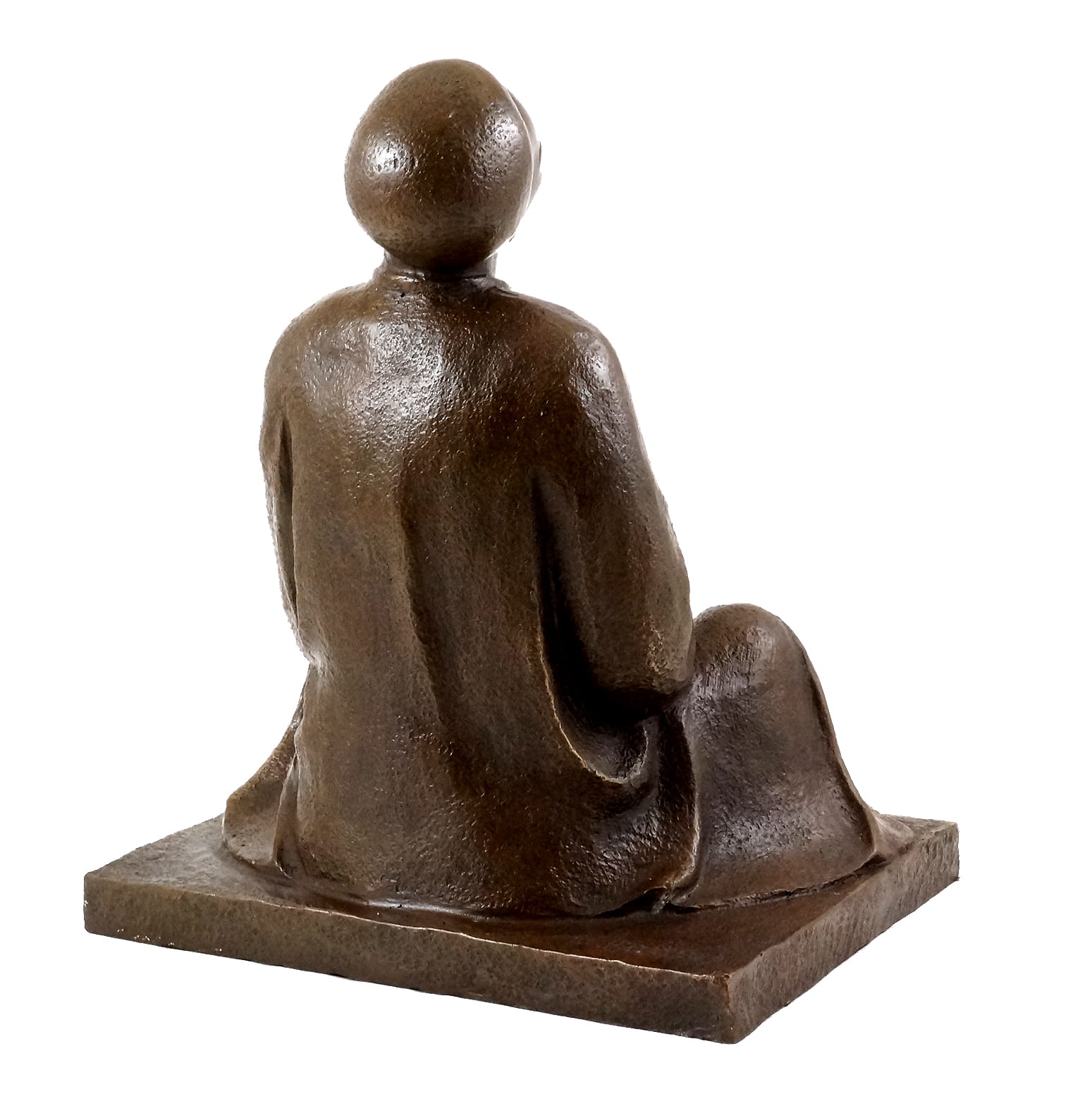
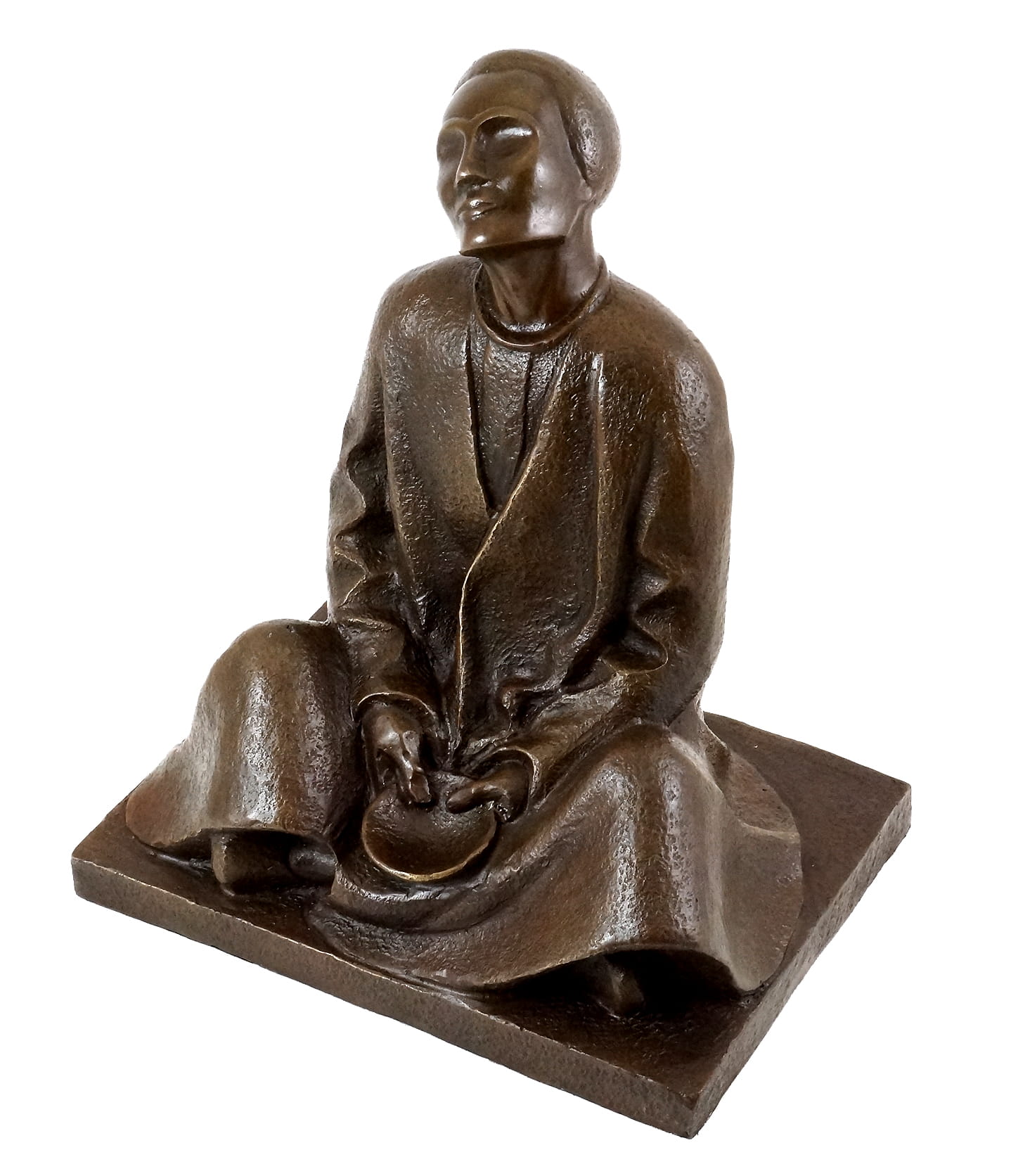
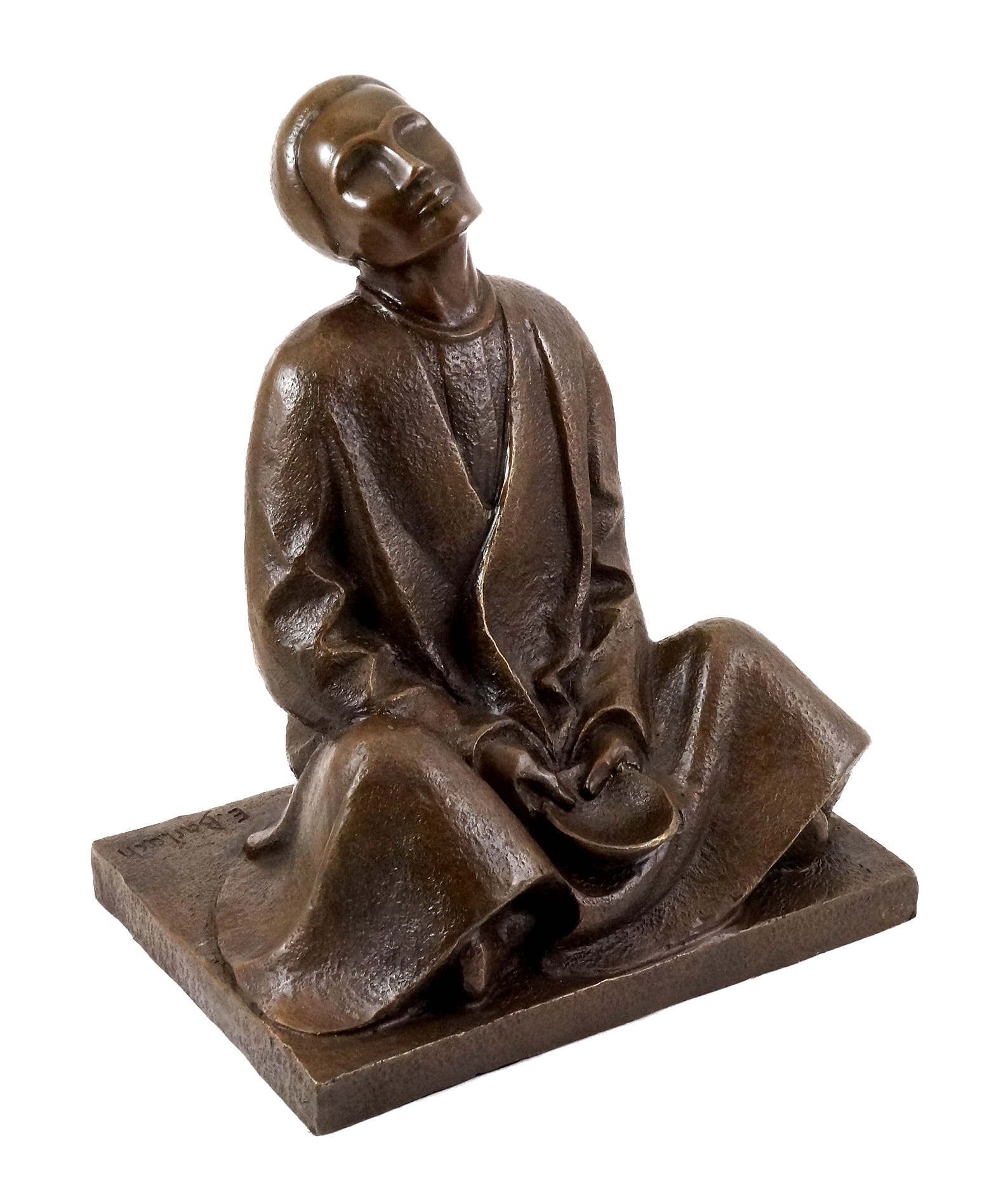
"Bronze Statue - Blind Beggar (1906) - Ernst Barlach Art"
| Weight | 3,1 kg |
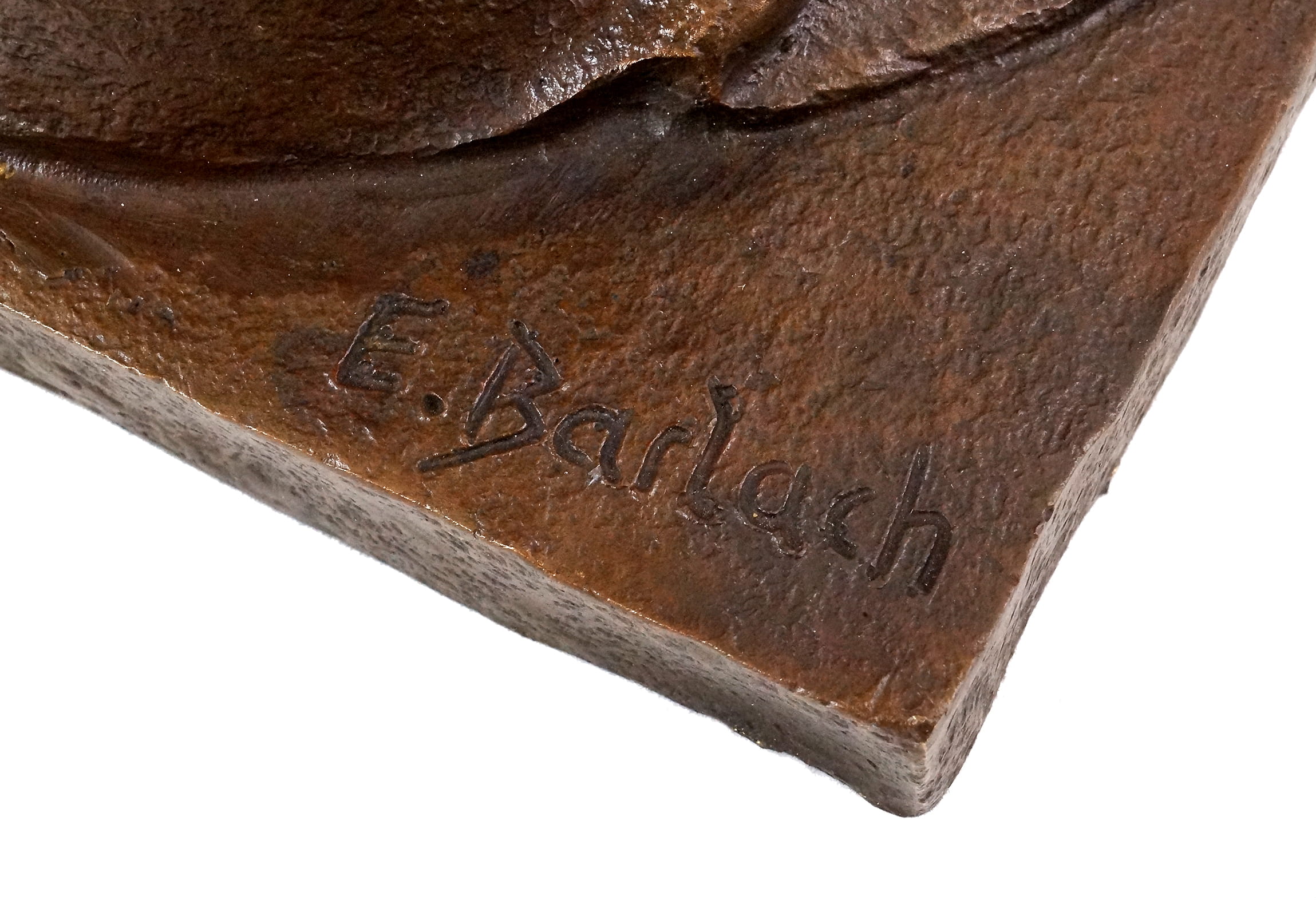
Bronze Figure – Blind Beggar (1906) – Signed Ernst Barlach
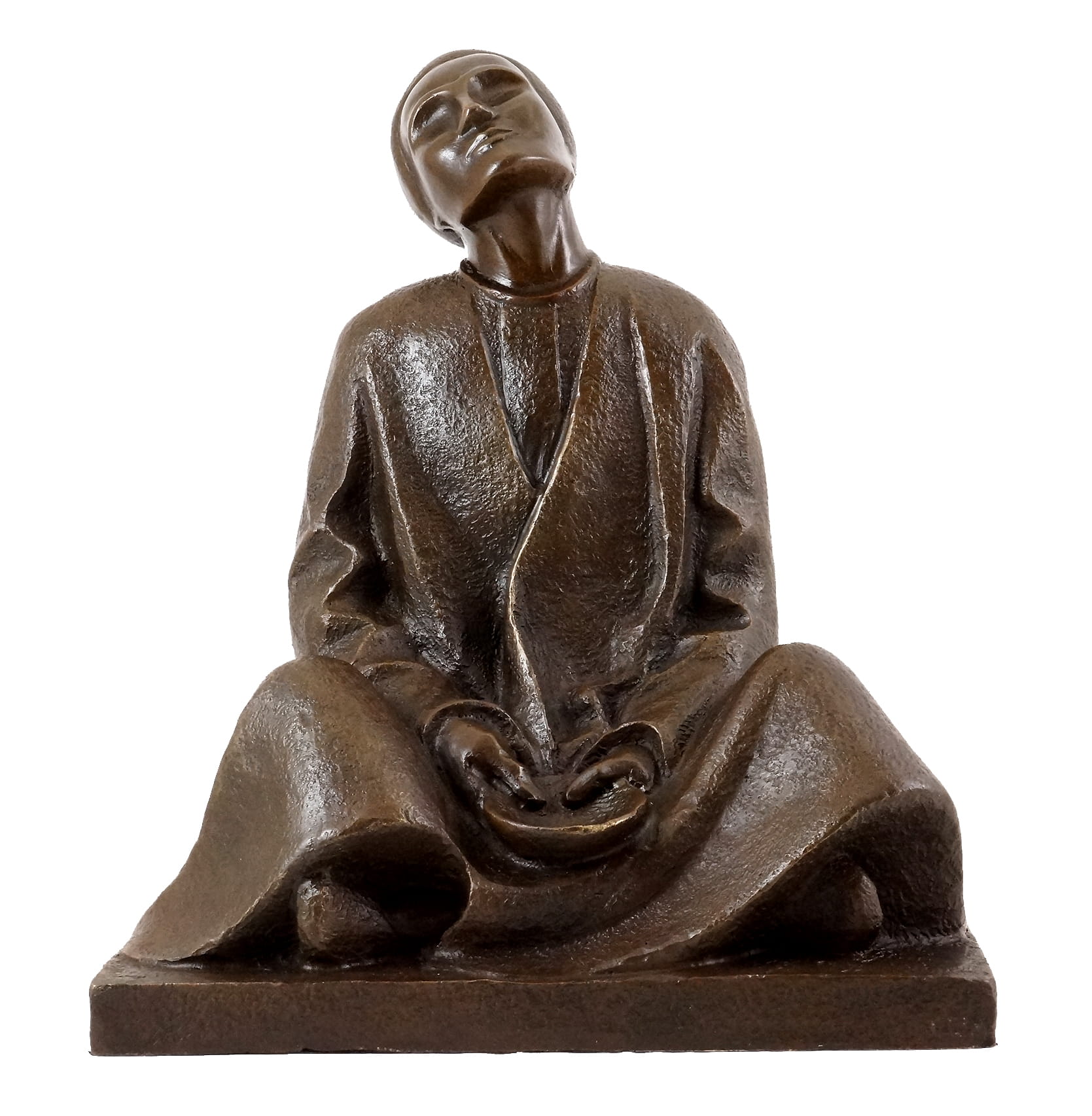
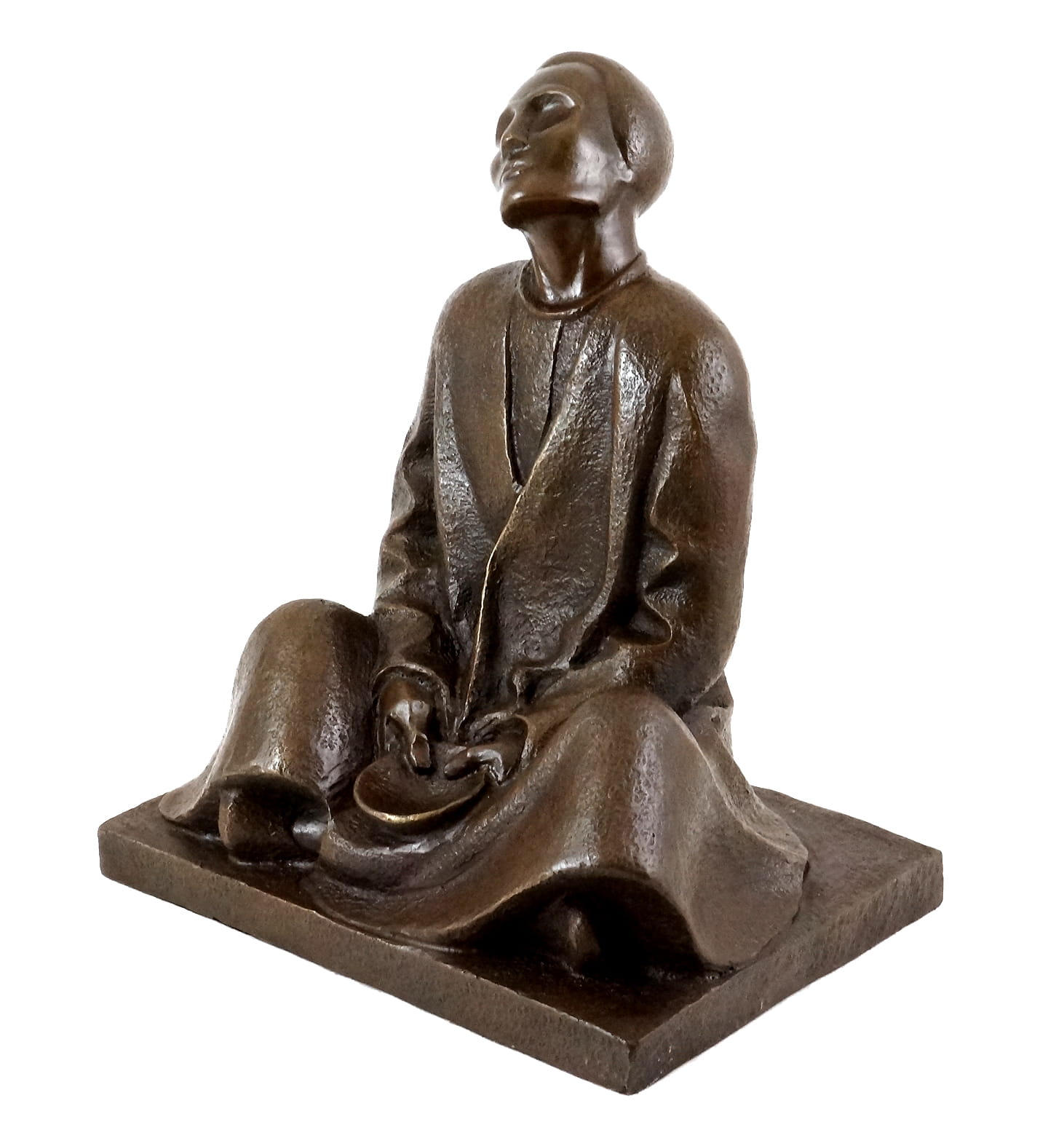
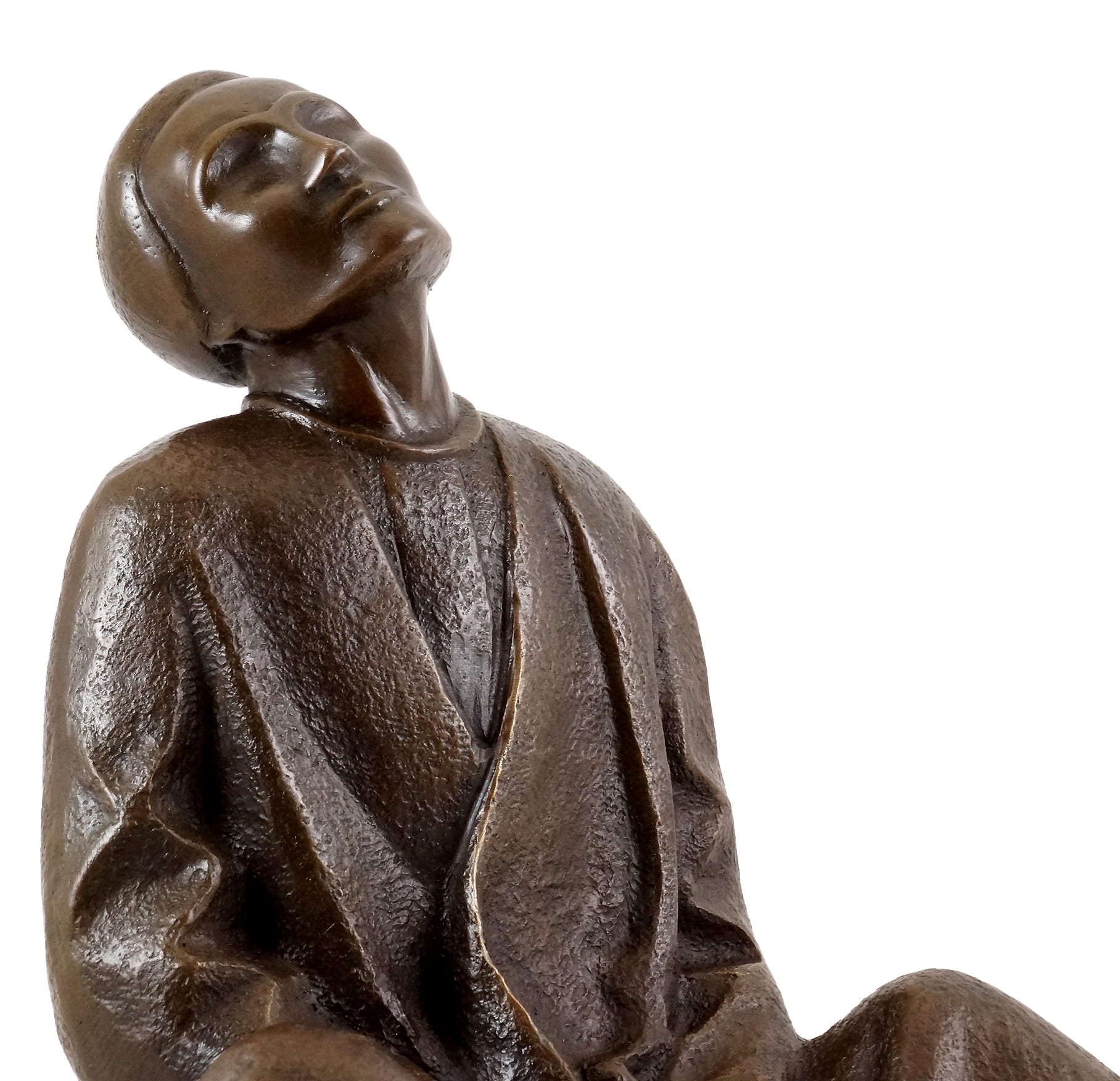
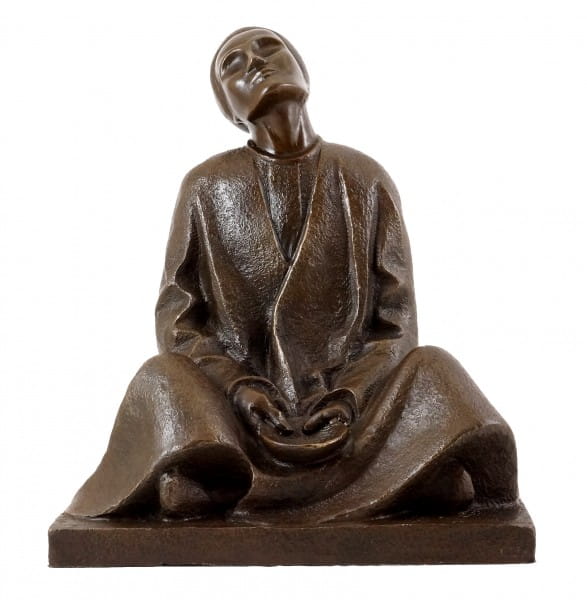
The Blind Beggar of 1906 is one of the most spiritually charged bronze figures created by Ernst Barlach, capturing an emotional world shaped by deprivation, endurance and a quiet inner strength. The figure sits grounded on a simple base, knees drawn upward and hands folded in the lap, forming a closed posture that conveys both fragility and profound self-containment. His head lifts gently toward an unseen sky, a gesture that contrasts the darkness he cannot escape with an almost hopeful search for orientation. This stillness, rendered through smooth, simplified surfaces, reflects the sculptor’s emerging commitment to expressive reduction, a hallmark of early Ernst Barlach Art. The result is a sculpture whose emotional clarity resonates long after the first encounter, echoing the deep empathy characteristic of mature.
Emotional expression through minimalist form
Barlach’s design avoids ornament and relies instead on concentrated form to communicate the inner life of the figure, a principle that shaped the evolution of Ernst Barlach Art during the early twentieth century. The softly modeled robe flows downward in broad planes that emphasize the sculpture’s serenity, reinforcing the dignified stillness from which all movement seems withdrawn. Light gliding across the bronze surface reveals subtle textural shifts that animate the contemplative posture, offering an impression of breath and living presence. The hands—slender, quiet, and humble—serve as the emotional anchor of the composition, highlighting the vulnerability that the sculptor learned to portray with extraordinary sensitivity. In the unity of form and feeling, this early work already demonstrates a psychological depth that would later characterize many iconic pieces associated with Ernst Barlach Artwork.
A creation influenced by Russian encounters
The origins of the Blind Beggar are inseparable from Barlach’s 1906 travels through Russia, a journey that profoundly affected his artistic worldview. During this time he witnessed the hardships of rural populations, experiences that awakened a compassion that would become foundational to Ernst Barlach Art. The beggar’s posture reflects that influence — a mixture of resignation, dignity and quiet endurance distilled into sculptural form. Rather than portraying poverty in a sentimental manner, Barlach searched for the spiritual core within human suffering, a theme that appears repeatedly in later Ernst Barlach Artwork. The 20-piece limited edition of this bronze preserves this important moment in his development, marking a turning point where social observation transformed into a deeply introspective sculptural language.
Ernst Barlach – formative years and artistic development
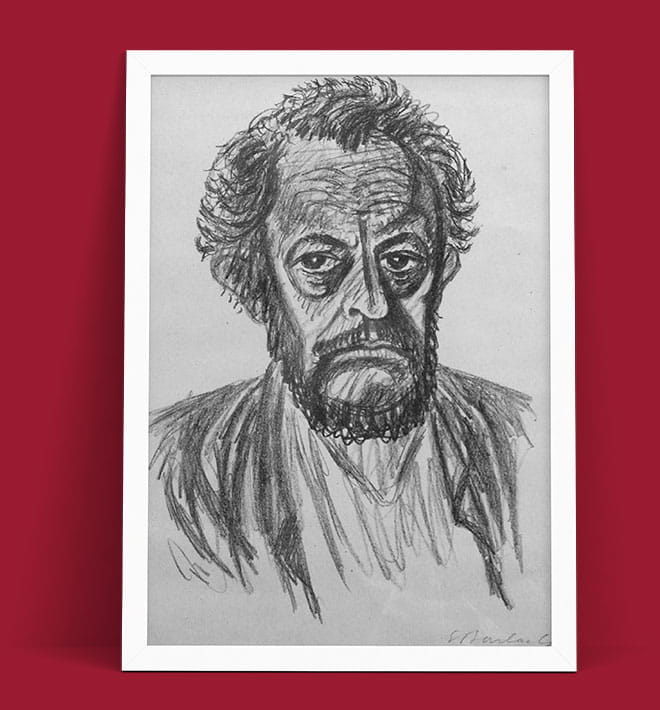
Born in Wedel in 1870, Ernst Barlach grew up in a family shaped by his father’s medical profession and his mother’s attention to emotional and intellectual upbringing. After early artistic training in Hamburg, he continued his studies at the Académie Julian in Paris, where he encountered a wide spectrum of sculptural approaches that challenged him to refine his own expressive direction. Yet it was not academic influence alone, but his later travels and encounters with human hardship, that defined the emotional gravity of Ernst Barlach Art. His turn toward simplified, spiritually resonant forms emerged gradually as he distanced himself from decorative tendencies and focused instead on the essence of human experience. In this early bronze one can already detect the sensitivity and moral clarity that would shape some of the most enduring Ernst Barlach Artwork of the twentieth century.
The sculpture’s quiet presence and thematic resonance
What makes the Blind Beggar so compelling is its ability to communicate emotional truth without dramatic gesture, a quality deeply integrated into the visual philosophy underlying Ernst Barlach Art. The seated posture, enclosed yet upward-reaching, suggests a search for meaning beyond physical limitation, inviting viewers to reflect on the resilience of the human spirit. Barlach’s textured modeling evokes both corporeal weight and spiritual longing, merging external form with inward contemplation. Each element, from the modest fall of the robe to the barely open mouth, contributes to a narrative that is deeply human while remaining universal. Through these subtle sculptural decisions, the work exemplifies the sincerity and introspective strength that define exceptional Ernst Barlach.
A meaningful presence in reflective interior spaces
Displayed in a quiet study, a contemplative corner of a living space or a curated gallery environment, this sculpture unfolds its emotional presence gradually, rewarding viewers who spend time absorbing its stillness. Its compact scale and introspective character allow it to harmonize with minimalist interiors as well as more traditional collections, offering a focal point grounded in psychological nuance. Museums such as the Barlach House in Hamburg, the Güstrow collections and additional German institutions today preserve related works that illuminate the depth and range of Ernst Barlach Artwork. Collectors value the Blind Beggar for its rare combination of emotional humility and sculptural strength, qualities that enrich any thoughtfully assembled space with enduring meaning.
Height: 28 cm
Width: 22 cm
Depth: 16 cm
Weight: 3.1 kg
Our advantages
free shipping
Worldwide free shipping
14 days money back
You can cancel your order
within 14 days
secure payment services
Paypal, Master Card, Visa, American Express and more