Prices incl. VAT, free shipping worldwide
Ready to ship today,
Delivery time appr. 3-6 workdays

Product description
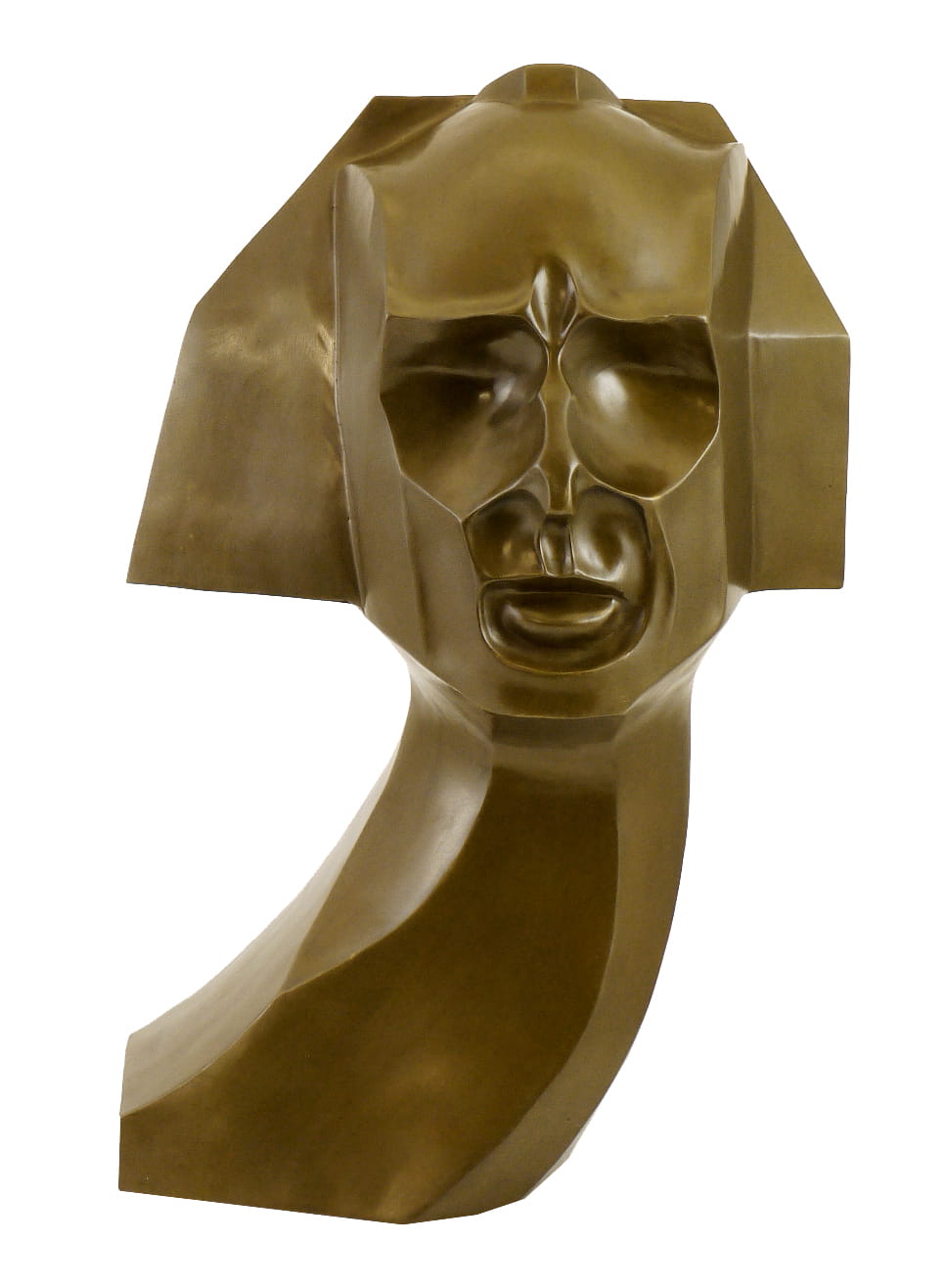
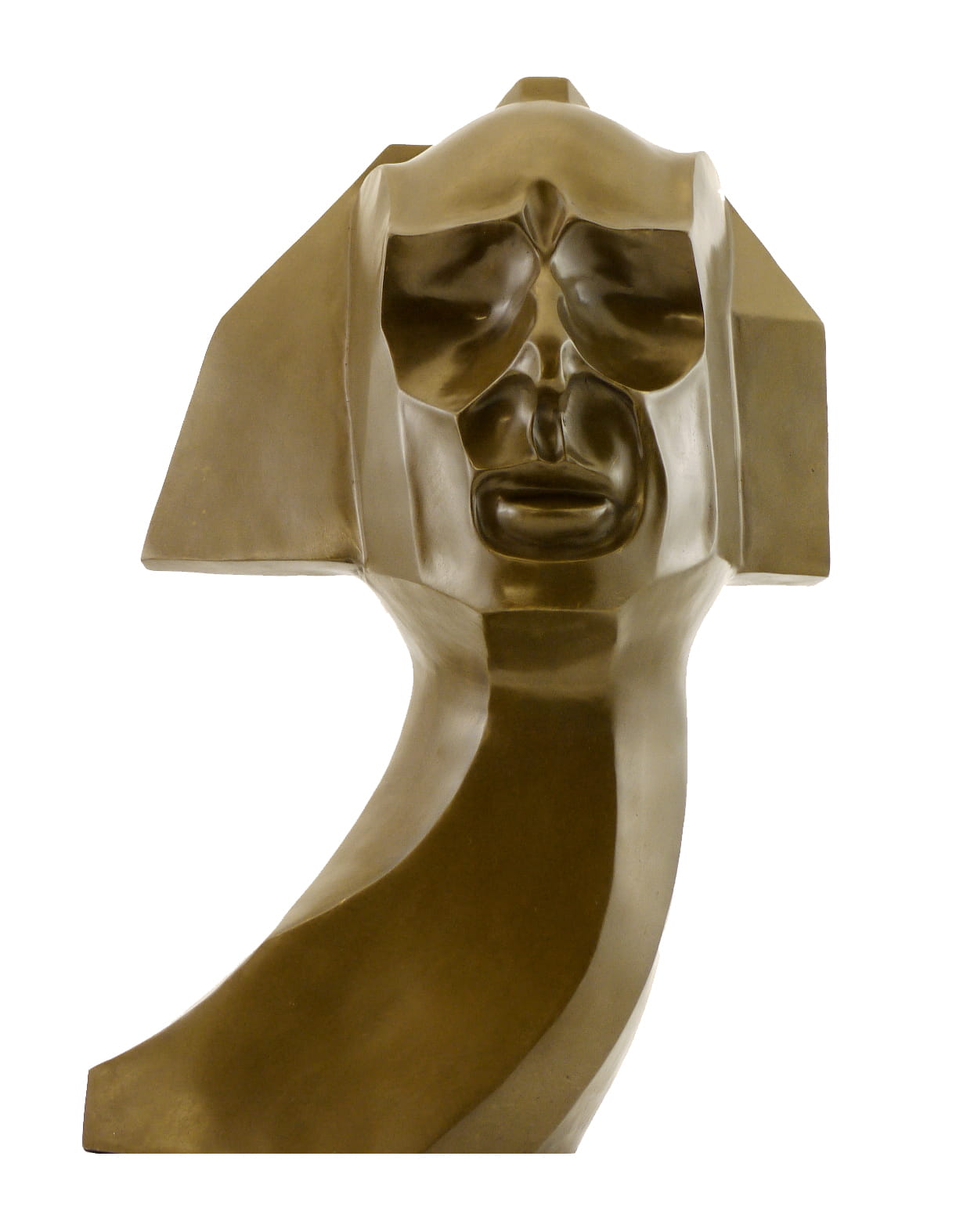
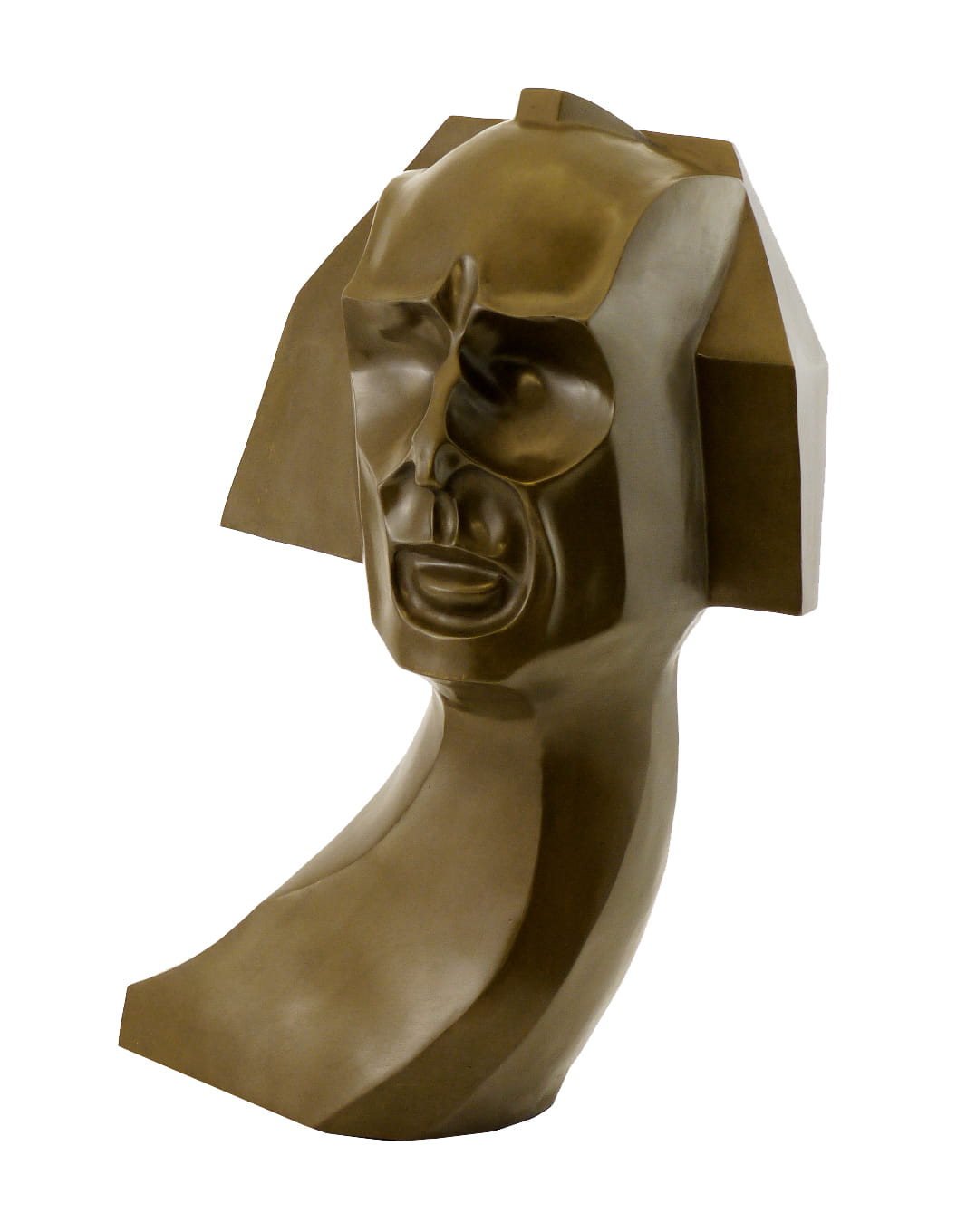
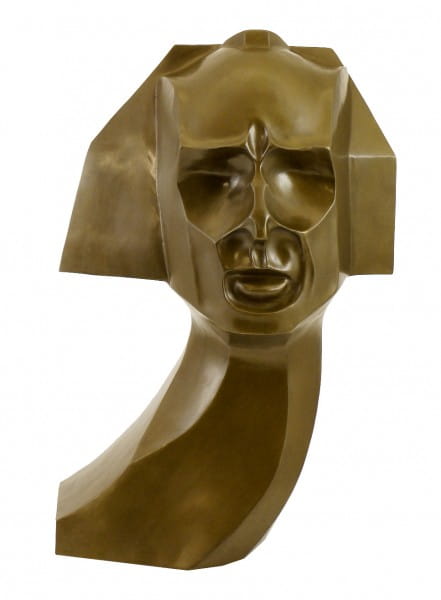
"Cubism Sculpture - Herwarth Walden - William Wauer"
| Height | 54 cm |
| Width | 32 cm |
| Length | 25 cm |
| Weight | 11,2 kg |
Cubistic Bronze Bust of Herwarth Walden - A Face Reimagined Through Modern Thought - Signed Wauer
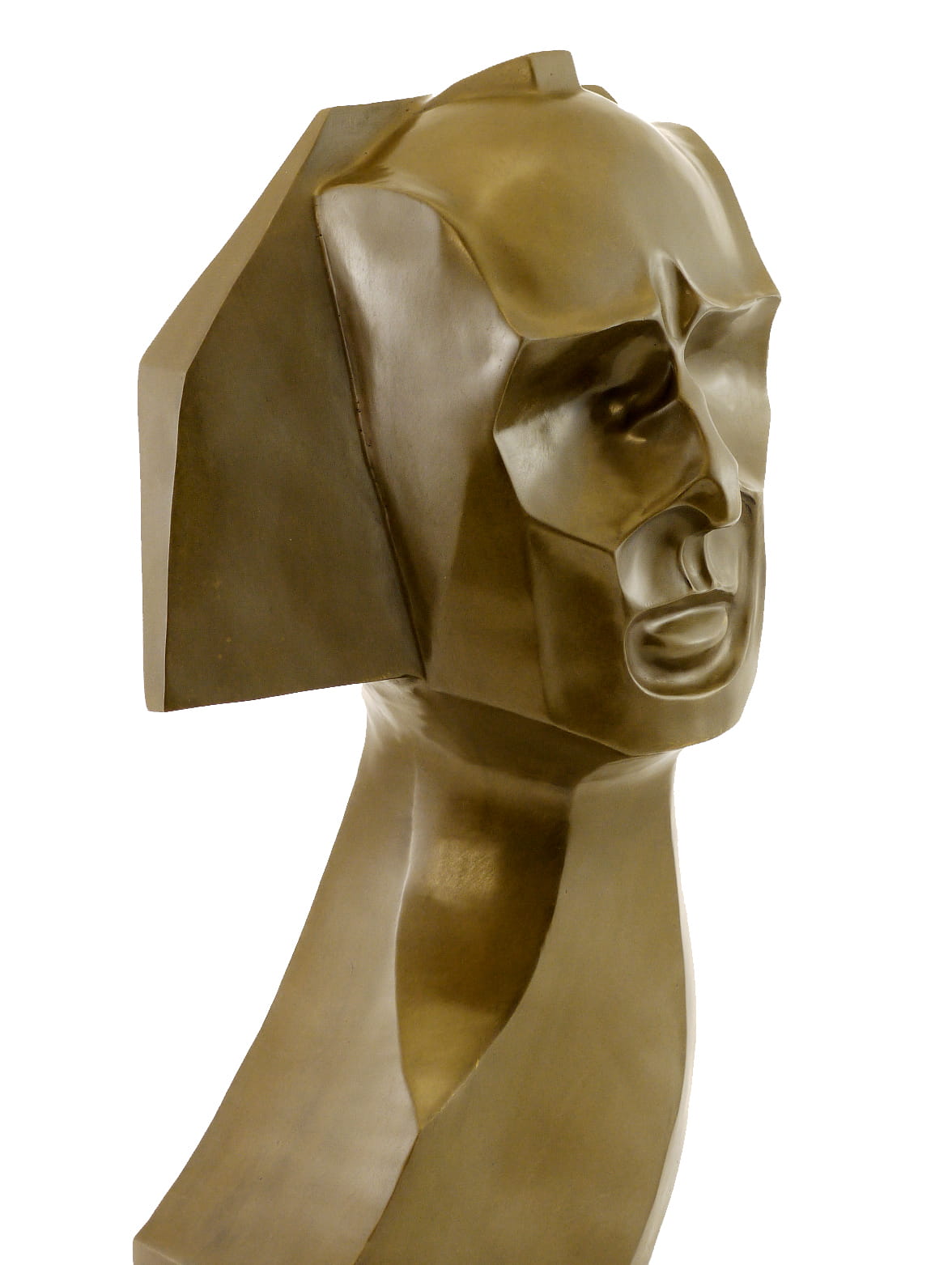
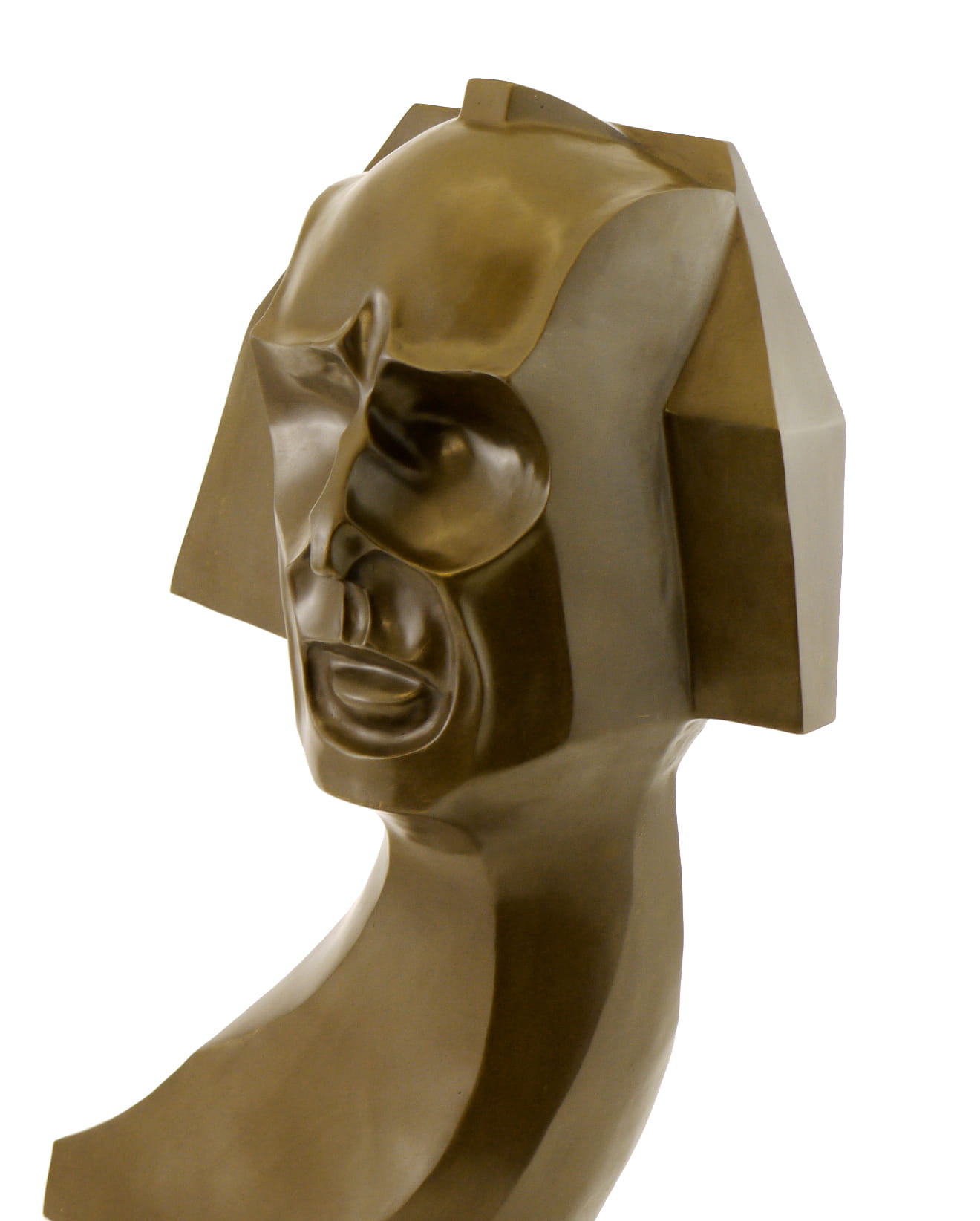
This sculpture presents the portrait of Herwarth Walden not as a literal likeness, but as an intellectual reconstruction shaped by the principles of modernism. The face is broken into angular planes and intersecting volumes, creating a visual rhythm that replaces traditional realism with conceptual depth. Each facet of the head contributes to a layered perception, suggesting multiple viewpoints existing simultaneously within a single form. The features are recognizable yet abstracted, allowing the personality of the subject to emerge through structure rather than detail. As a compelling example of Cubism Sculpture, the work reflects the revolutionary shift in artistic thinking that defined the early twentieth century. It stands firmly within the realm of Cubism Art, where representation is transformed into a dialogue between geometry, perception, and meaning, embodied in a powerful Bronze Statue.
William Ernst Hermann Wauer and the Spirit of the Avant-Garde
William Ernst Hermann Wauer, born on October 26, 1866 in Oberwiesenthal and later passing away on March 10, 1962 in West Berlin at the age of ninety-five, was a multifaceted artist whose work spanned sculpture, painting, teaching, and even early film direction. Growing up in a culturally evolving Germany, he pursued artistic training that exposed him to both academic traditions and emerging avant-garde movements. Wauer became closely associated with progressive artistic circles in Berlin, engaging with figures who shaped modern art and literature, including Herwarth Walden himself, the influential publisher and promoter of expressionist and avant-garde art through the journal “Der Sturm.” His sculptural work reflects a deep engagement with modernist ideas, particularly the fragmentation and reconstruction of form characteristic of Cubism Art. Today, works by Wauer and similar examples of Cubism Sculpture can be found in museums such as the Berlinische Galerie and other collections dedicated to early modernism, where they continue to demonstrate the enduring relevance of the Bronze Statue as a medium of innovation.
Herwarth Walden and the Pulse of the Avant-Garde
Herwarth Walden, born Georg Lewin in 1878 Berlin, emerged as one of the most influential cultural figures of the early twentieth century, shaping the course of modern art through his visionary activities as a writer, critic, and publisher. He became widely known as the founder of the avant-garde journal “Der Sturm,” which served as a platform for groundbreaking movements such as Expressionism and early Cubism Art, bringing international attention to artists who challenged conventional aesthetics. Walden was not only a promoter of innovation but also an active participant in the artistic discourse, organizing exhibitions and fostering connections between painters, sculptors, and intellectuals across Europe. His presence within the cultural landscape made him a central figure in the development of Cubism Sculpture, as he championed artists who explored fragmentation, abstraction, and new forms of perception. The portrait embodied in this Bronze Statue reflects not merely his physical likeness but his intellectual intensity and transformative influence on modern art. Today, his legacy endures in major museum collections and archives dedicated to early modernism, where the impact of his work continues to resonate within the history of Cubism Art and beyond.
Geometry as Expression and Interpretation
The sculptural composition is defined by a precise balance of sharp edges and smooth transitions, where planes intersect to create depth and movement. The head is framed by bold, architectural forms that extend outward, giving the piece a monumental presence despite its intimate scale. The elongated neck flows into the base with a continuous curvature, anchoring the composition while maintaining a sense of fluidity. This interplay between rigid geometry and organic movement is central to Cubism Sculpture, where the subject is deconstructed and reassembled into a new visual language. The abstraction invites the viewer to engage actively, interpreting the figure from different angles and perspectives. Within the broader context of Cubism Art, the sculpture becomes both a portrait and an exploration of perception, realized through the enduring material of a Bronze Statue.
Surface, Light, and Structural Clarity
The bronze surface is treated with a refined patina that enhances the clarity of each geometric plane and emphasizes the sculptural depth. Light interacts dynamically with the angled surfaces, creating shifting patterns of shadow that animate the form. Smooth areas contrast with subtle textural variations, adding richness and complexity to the overall appearance. This sensitivity to material and finish underscores the importance of craftsmanship within Cubism Sculpture, where the medium plays a crucialrole in conveying the artistic vision. The sculpture appears to transform as it is viewed from different positions, reinforcing the cubist idea of multiple simultaneous perspectives. As a work rooted in Cubism Art, this Bronze Statue exemplifies how material and concept merge into a unified expression.
A Bold Presence in Contemporary Interiors
Placed within a modern interior, this sculpture becomes an immediate focal point, commanding attention through its striking form and intellectual presence. It is ideally suited for display on a pedestal, or within a curated art collection, where its complexity can be appreciated from multiple viewpoints. The abstract nature of the piece allows it to harmonize with minimalist spaces, while its expressive power adds depth and character to more traditional environments. The sculpture invites contemplation, encouraging viewers to explore its layered structure and interpret its meaning. Its presence transforms the surrounding space into an environment of artistic dialogue and cultural awareness. As a distinguished example of Cubism Sculpture, it embodies the innovative spirit of Cubism Art, presented through the timeless medium of a Bronze Statue.
Our advantages
free shipping
Worldwide free shipping
14 days money back
You can cancel your order
within 14 days
secure payment services
Paypal, Master Card, Visa, American Express and more